
Planning a trip is exciting until the costs start adding up. Flights, hotels, food, transportation, activities, travel insurance, and unexpected expenses can quickly turn an affordable getaway into an expensive one. That is why creating a realistic travel budget before you book anything is one of the most useful steps you can take.
A good travel budget is not about spending as little as possible. It is about knowing where your money is going and deciding which experiences deserve more of it. Some travelers prefer to save on accommodation so they can spend more on food and activities, while others are happy with simple meals if it means staying in a better location.
Whether you are planning a weekend city break, a family vacation, a solo adventure, or a longer international trip, understanding your expected expenses can make the entire journey easier. With some research and realistic planning, you can enjoy your destination without constantly worrying about your bank balance.
What Is a Travel Budget?
A travel budget is an estimate of how much money you expect to spend before, during, and sometimes after a trip. It usually includes major expenses such as transportation, accommodation, meals, sightseeing, local transportation, travel insurance, shopping, and emergency funds.
The exact amount depends heavily on your destination, travel style, trip length, season, and activities. A budget traveler staying in a hostel and using public transportation will have very different expenses from someone choosing luxury hotels, private transfers, and expensive restaurants.
The purpose of a travel budget is therefore not to find one universal amount. Instead, it gives you a realistic spending framework that helps you make informed decisions.
How to Build a Realistic Travel Budget
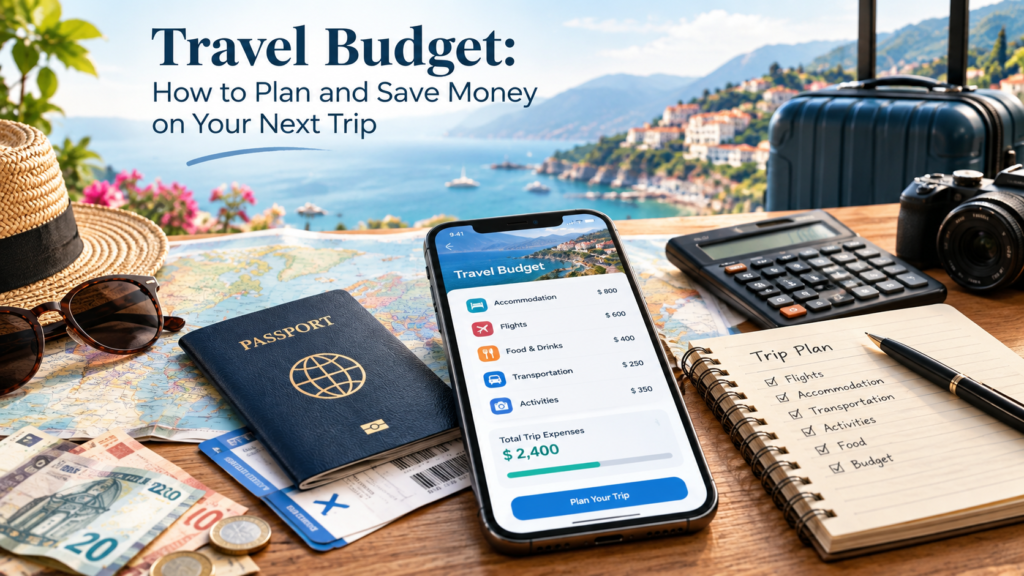
The easiest way to create a budget is to divide your trip into individual expense categories. This makes it much easier to see where your money will go and where you have room to save.
Start With Your Major Transportation Costs
Transportation is often one of the largest parts of an international travel budget. Start by estimating the cost of getting to your destination and returning home.
For international trips, consider flights, airport transfers, baggage fees, seat selection fees, and transportation between different destinations if you are planning a multi city itinerary.
For road trips, include fuel, tolls, parking, vehicle rental, and possible maintenance expenses.
Do not focus only on the advertised ticket price. The final transportation cost can be higher once additional fees and local transfers are included.
Estimate Accommodation Costs
Accommodation can significantly influence the total cost of a trip. Compare hotels, hostels, guesthouses, vacation rentals, and other suitable options based on your travel style.
Location is particularly important. A cheaper hotel far outside the main tourist area may appear attractive, but daily transportation costs can reduce or even eliminate the savings.
When comparing accommodation, consider the total value rather than simply choosing the lowest nightly rate. Free breakfast, kitchen facilities, airport transportation, Wi Fi, and convenient public transportation can sometimes make a slightly more expensive property the better financial choice.
Plan Your Food Budget
Food is another expense that is easy to underestimate. Travelers often remember the price of a hotel and flight but forget how much they may spend on breakfast, lunch, dinner, snacks, drinks, and coffee every day.
Research typical food prices at your destination and decide how you want to eat. You might combine inexpensive local restaurants with occasional special meals instead of eating at expensive tourist restaurants throughout the trip.
Local markets, bakeries, casual restaurants, grocery stores, and food stalls can provide opportunities to experience local cuisine while keeping your spending under control.
Include Local Transportation
Getting around your destination should have its own budget category. Depending on the city, you may use buses, trains, metro systems, taxis, ride sharing services, rental cars, bicycles, or walking.
Research transportation passes before arriving. Some destinations offer unlimited travel passes or tourist transportation cards that may be useful if you expect to use public transportation frequently.
Also consider airport transportation. A cheap flight may not be as affordable if the airport is far from the city and requires an expensive private transfer.
What Expenses Should Be Included in a Travel Budget?
A detailed travel budget should include both expected and unexpected costs. Looking only at flights and accommodation can create an unrealistic picture of the total trip price.
Common categories include:
Transportation
Include flights, trains, buses, rental cars, fuel, airport transfers, taxis, public transportation, parking, and baggage related costs.
Accommodation
Consider the nightly rate, taxes, service charges, resort fees where applicable, and any additional charges associated with your booking.
Food and Drinks
Estimate daily spending for meals, snacks, coffee, bottled water, and other drinks. If you plan to cook some meals, include grocery expenses.
Activities and Attractions
Museums, tours, theme parks, guided excursions, cruises, national parks, cultural attractions, and entertainment can become a significant part of your spending.
Travel Insurance
Travel insurance can help protect your finances against certain unexpected situations, depending on the policy and coverage. Compare policies carefully rather than automatically choosing the cheapest option.
Visa and Documentation Costs
International travelers may need to account for visa fees, passport related expenses, permits, tourist taxes, or other required documentation.
Shopping and Souvenirs
Even if shopping is not a major priority, it is useful to leave some room for souvenirs, gifts, local products, or spontaneous purchases.
Emergency Money
Always leave some money outside your planned daily spending. Unexpected transportation changes, medical expenses, lost belongings, booking changes, or other problems can happen during travel.
How to Save Money Without Ruining Your Trip
Saving money does not necessarily mean having a worse travel experience. In many cases, the smartest savings come from changing how you spend rather than eliminating experiences altogether.
Travel During Shoulder Season
Traveling immediately before or after peak season can sometimes provide a better balance between weather, availability, and cost. Prices and conditions vary by destination, so research the specific location before choosing your dates.
Compare Transportation Options
Do not assume that flying is always the cheapest option. Depending on the destination, trains, buses, shared transportation, or a combination of different options may offer better value.
At the same time, a cheaper transportation option is not automatically better. Consider travel time, baggage costs, transfers, and convenience before making your decision.
Stay Outside the Most Expensive Tourist Areas
Hotels in central tourist districts can be expensive. Staying slightly outside the busiest area may reduce accommodation costs while still giving you convenient access to attractions.
The key is choosing a neighborhood with reliable public transportation or reasonable walking access to the places you actually want to visit.
Eat Like a Local
One of the easiest ways to control a travel budget is to avoid eating every meal in tourist focused areas. Local restaurants and markets can often provide more authentic food at more accessible prices.
This does not mean avoiding nicer restaurants completely. Instead, balance inexpensive local meals with the occasional dining experience you genuinely want.
Choose Experiences Carefully
You do not need to pay for every attraction. Many destinations have free walking routes, public parks, beaches, markets, cultural neighborhoods, viewpoints, and free museum days.
Make a list of the experiences that matter most to you and prioritize those. A smaller number of meaningful activities can be more memorable than trying to visit everything.
How to Calculate a Daily Travel Budget
A daily travel budget gives you a simple way to understand your expected spending while you are away.
Start by estimating your daily accommodation, food, local transportation, and activity costs. Then add a reasonable amount for miscellaneous expenses and unexpected situations.
A simple formula is:
Daily travel budget = accommodation + food + local transportation + activities + miscellaneous expenses
For example, if your hotel is already prepaid, your daily budget can focus on food, transportation, attractions, shopping, and other expenses.
It is also useful to separate prepaid expenses from expenses you will pay during the trip. This prevents you from accidentally counting the same cost twice.
Travel Budget for Different Types of Travelers
There is no single perfect travel budget because travelers have different priorities.
Budget Travelers
Budget travelers usually prioritize affordable accommodation, public transportation, local food, free attractions, and flexible travel dates.
This style can work particularly well for solo travelers and younger travelers who are comfortable sacrificing some convenience to reduce costs.
Mid Range Travelers
Mid range travelers generally want a balance between comfort and affordability. They may choose comfortable hotels, eat at a combination of local and higher quality restaurants, use public transportation with occasional taxis, and pay for several major attractions.
For many travelers, this provides a comfortable middle ground without requiring luxury spending.
Luxury Travelers
Luxury travel budgets can vary dramatically depending on accommodation, private transportation, premium flights, fine dining, exclusive experiences, and personalized services.
Luxury travelers should still create a budget because expensive trips can involve numerous additional costs that are easy to overlook.
How to Create a Travel Budget for a Family
Family travel requires additional planning because costs multiply across several travelers. Accommodation, meals, transportation, attraction tickets, and baggage can all increase.
Look for family rooms, apartments, suites, or accommodations with kitchen facilities when appropriate. Cooking some meals can reduce food expenses, particularly on longer trips.
Also check whether attractions offer discounted admission for children or family groups. Transportation passes may also provide better value depending on the destination.
Most importantly, build flexibility into the budget. Traveling with children can sometimes involve unexpected meals, transportation changes, or activities that were not part of the original itinerary.
Travel Budget Tips for Solo Travelers
Solo travel has some advantages, but certain expenses can also be harder to share. A private hotel room, taxi, rental car, or tour may cost almost the same whether one person or two people use it.
Solo travelers can save by choosing hostels with private rooms or shared accommodation, using public transportation, joining group tours, and staying in walkable neighborhoods.
The advantage is greater control. You can choose inexpensive activities, change your itinerary quickly, and spend money only on experiences that genuinely interest you.
Common Travel Budget Mistakes
Even a carefully planned trip can become expensive when small mistakes add up.
One common mistake is creating a budget that is too optimistic. If you assume that everything will cost the minimum possible amount, your actual spending can quickly exceed your plan.
Another mistake is forgetting irregular expenses. Airport transfers, baggage fees, attraction reservations, tips, local taxes, and travel insurance can all affect the final cost.
It is also important not to make your budget so strict that there is no room for enjoyment. A vacation should not feel like a financial punishment. Leave some money for spontaneous experiences and memorable meals.
How to Track Your Spending While Traveling
Creating a budget before leaving home is only half the process. Tracking your actual spending can help you stay within your limits.
You can use a travel budgeting app, spreadsheet, notes app, or simple expense tracker. Record purchases in the same categories you used when creating your original budget.
Check your spending every few days rather than waiting until the end of the trip. If you notice that you are spending more on restaurants than expected, you can adjust other categories before the trip is over.
This approach gives you control without requiring you to calculate every small purchase immediately.
What to Expect From an Unexpected Expense
Unexpected expenses are one of the main reasons travelers exceed their budgets. A delayed flight, missed connection, emergency transportation, medical situation, damaged luggage, or sudden change in accommodation can create additional costs.
This is why an emergency reserve should be separate from your normal daily spending money.
The amount you reserve depends on your destination, trip length, financial situation, and travel arrangements. The important principle is simply to avoid spending your entire travel budget before the trip begins.
Is Creating a Travel Budget Worth It?
Yes, especially for longer or more expensive trips.
A travel budget helps you understand what you can realistically afford before committing to bookings. It also makes it easier to compare destinations, accommodation options, transportation methods, and activities.
The biggest benefit is not necessarily saving money. It is reducing financial uncertainty.
When you know how much you have allocated for accommodation, food, transportation, and experiences, you can enjoy your trip with greater confidence. You are also less likely to return home with expenses that you did not anticipate.
Simple Travel Budget Checklist
Before booking your trip, review the following categories:
- Flights or other long distance transportation
- Accommodation
- Local transportation
- Food and drinks
- Activities and attractions
- Travel insurance
- Visa and documentation costs
- Baggage and booking fees
- Shopping and souvenirs
- Emergency funds
- Currency exchange or payment related costs
Review the list again before departure. This final check can help identify expenses you may have forgotten.
Frequently Asked Questions
How much money should I budget for a trip?
There is no universal travel budget. Your total depends on the destination, trip length, accommodation, transportation, food choices, activities, and travel season. The best approach is to research typical costs for your specific destination and calculate your expected daily spending.
What is the best way to create a travel budget?
Divide your trip into categories such as transportation, accommodation, food, activities, local transportation, insurance, shopping, and emergency expenses. Estimate each category separately and then calculate the total.
How can I travel on a small budget?
Choose affordable accommodation, travel during less expensive periods, use public transportation, eat at local restaurants, take advantage of free attractions, and compare transportation options before booking.
Should I include emergency money in my travel budget?
Yes. An emergency reserve can help cover unexpected transportation, medical, accommodation, or other costs. It should be treated separately from your normal daily spending money.
Is it cheaper to plan a trip yourself?
It depends on the destination and type of trip. Planning independently can provide greater control over accommodation, transportation, and activities, while some packages or organized tours may offer better value for certain destinations.
How do I calculate a daily travel budget?
Add your expected daily accommodation, food, transportation, activities, and miscellaneous costs. If some expenses are prepaid, remove them from your daily calculation to avoid double counting.
How can I avoid overspending while traveling?
Set spending limits for major categories, track your expenses regularly, compare prices before booking, and keep an emergency reserve. Checking your budget during the trip allows you to make adjustments before costs become difficult to control.
Should I budget for souvenirs?
Yes. Even if shopping is not a major part of your trip, allocating a small amount for souvenirs and gifts can prevent unexpected purchases from affecting money reserved for essential expenses.
Conclusion
Creating a travel budget is one of the simplest ways to make a trip more comfortable and financially manageable. Instead of guessing how much you will spend, you can identify your major costs, prioritize the experiences that matter most, and prepare for expenses that are easy to overlook. A realistic budget gives you a clearer picture of what you can afford before you make your bookings.
The best travel budget is not necessarily the cheapest one. It is the one that matches your destination, travel style, priorities, and financial comfort. You might save money by choosing public transportation or a simpler hotel, then use those savings for a memorable meal or activity. Small decisions made before your trip can make a significant difference to your overall spending.
Before your next journey, take a little time to research destination costs and create your own spending plan. Keep some flexibility for unexpected expenses, track your spending while you travel, and do not forget to leave room for experiences that make the trip worthwhile. With thoughtful planning, you can explore more confidently without letting your finances take away from the experience.