
Introduction
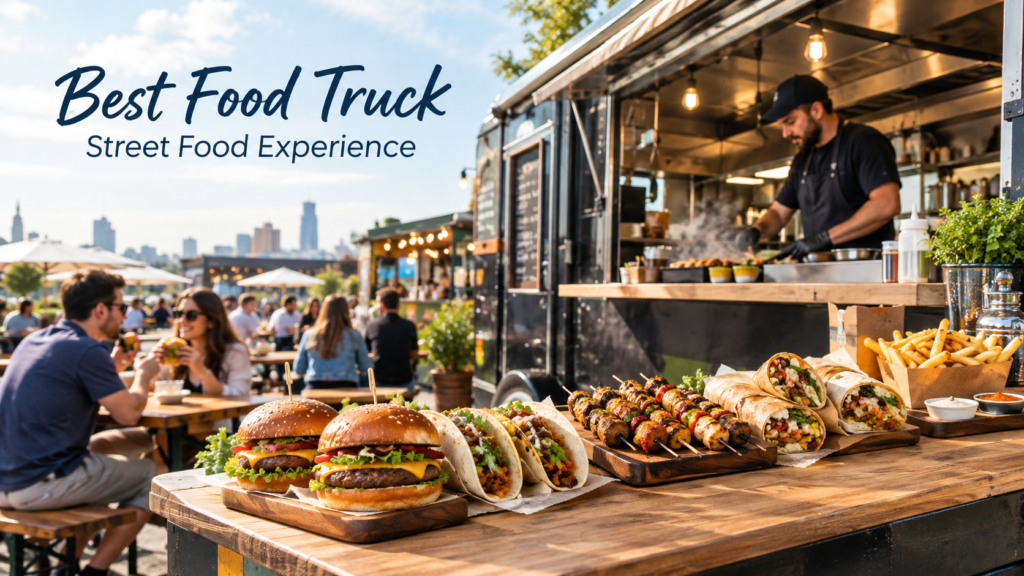
The best food truck is not necessarily the most famous or the one with the longest queue. It is the one that serves food you genuinely want to eat, prepares it carefully, offers fair value, and fits your travel plans. For some travelers, that means a freshly grilled burger. For others, it might be regional tacos, spicy noodles, barbecue, or a traditional local snack.
Food trucks can be especially rewarding when exploring a city because they often provide a convenient way to sample different cuisines without committing to a full restaurant meal. Some operate at permanent locations, while others move between markets, business districts, festivals, parks, and special events.
There is one important distinction, however: a food truck that is excellent for a quick lunch may not be ideal for a family dinner or a traveler with strict dietary requirements. The most useful approach is to consider the menu, food preparation, location, price, and convenience together.
This guide explains how to find the best food truck for your preferences, which dishes are worth considering, how to compare options, and what to check before making a special trip.
What Makes the Best Food Truck Stand Out?
A memorable food truck experience usually comes down to several practical factors rather than appearance or popularity alone.
A focused menu with appealing food
A clear menu can make choosing easier. Some trucks specialize in one type of food, such as tacos, burgers, grilled sandwiches, kebabs, or regional specialties. Others offer a wider selection of dishes.
Neither approach automatically guarantees quality. A focused menu simply makes it easier to understand what the vendor specializes in and whether it matches your appetite.
Look for descriptions that explain the main ingredients, cooking style, portion size, and available modifications. If you are unfamiliar with a local dish, asking the vendor about its flavor and preparation can help you choose something suitable.
Fresh preparation and visible cleanliness
Food quality matters, but safe handling matters just as much. Observe whether the preparation area appears clean, ingredients are protected, and staff handle food appropriately.
Pay attention to how raw and cooked ingredients are handled, whether serving utensils are kept clean, and whether hot foods are served hot. A busy truck can be a promising discovery, but popularity alone does not prove that food is being handled safely.
Food safety rules differ by location. Travelers should consult the relevant local food safety authority if they need to verify licensing or inspection information.
Fair value rather than the lowest price
The cheapest meal is not always the best value. Compare the portion, ingredients, preparation, and any additional charges before deciding.
A simple sandwich that is freshly prepared and filling may offer better value than an oversized meal you do not enjoy. Likewise, a regional specialty can be worth paying more for when its ingredients and preparation are central to the experience.
Reliable information and clear communication
A useful menu, current location information, and clear pricing help travelers make confident decisions. Vendors that communicate their hours, payment methods, allergens, and menu changes can be particularly convenient for visitors who have limited time.
How to Find the Best Food Truck While Traveling
The challenge is often not finding food trucks in general. It is finding one that is actually operating, easy to reach, and worth the detour.
Search maps and local food listings
Start with a map search for phrases such as “best food truck near me,” “street food trucks,” “food truck park,” or the particular cuisine you want to try.
Read recent customer feedback rather than relying entirely on an overall rating. Look for comments that mention specific dishes, portion sizes, waiting times, menu availability, and consistency.
Check the listed address carefully. A food truck may appear on a map even when it has moved to another site or operates only during selected hours.
Check social media before leaving
Many mobile food vendors use social media to announce their daily location, temporary menus, sold out items, and event appearances.
This is particularly helpful when a truck travels between several neighborhoods. A recent location announcement can be more useful than an older directory listing.
Confirm the date of the post and, when necessary, contact the vendor before traveling across town.
Explore food truck parks and local markets
Food truck parks, public markets, community events, and designated street food areas can make discovering new vendors easier. Several options may be available in one place, allowing you to compare menus without traveling between separate locations.
These settings are also useful for groups with different tastes. One person can order grilled food while another chooses vegetarian dishes, desserts, or drinks.
Check admission requirements, seating arrangements, parking, and event schedules before visiting. A food truck gathering does not necessarily operate every day.
Ask local residents for specific recommendations
Hotel staff, local guides, shopkeepers, and residents may know which vendors are popular in a particular neighborhood.
Instead of asking only for the “best food truck,” describe what you want: a quick lunch, traditional regional food, a vegetarian meal, a late evening snack, or something suitable for children.
Specific questions often lead to more useful recommendations because they connect the food choice with your budget, schedule, and preferences.
Popular Food Truck Foods Worth Trying
The most interesting choice depends on the destination. Food trucks can serve familiar comfort food, regional specialties, international dishes, and creative combinations.

Burgers and grilled sandwiches
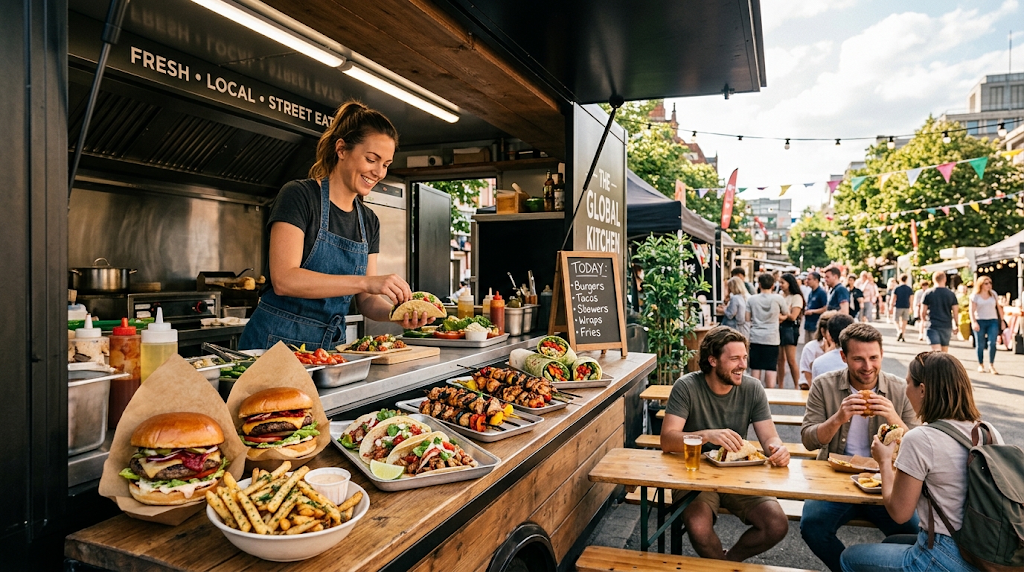
A good option for travelers who want a filling, familiar meal. Look for clearly described ingredients, freshly assembled toppings, and a bread or bun that suits the filling. Grilled sandwiches can also be easier to eat while exploring.

Tacos and regional street food
Tacos, wraps, and filled flatbreads are convenient ways to sample combinations of meat, vegetables, sauces, herbs, and spices. Ask about heat levels and fillings if the menu is unfamiliar.

Barbecue and grilled dishes
Grilled meats, skewers, smoked specialties, and charred vegetables can make a satisfying meal. Regional cooking styles differ, so look for dishes that are distinctive to the place you are visiting.

Noodles and rice bowls
These can work well for a quick lunch or dinner, with vegetables, sauces, proteins, and different spice levels. Check portion size and whether the dish is cooked to order or prepared in advance.

Vegetarian and plant based meals
Falafel wraps, vegetable bowls, grilled corn, salads, and regional lentil dishes can provide appealing alternatives to meat centered menus. Ask about shared cooking surfaces and ingredients if you have strict dietary requirements.

Desserts, coffee, and drinks
Dessert trucks and mobile coffee stands are useful stops between activities. Fresh pastries, regional sweets, fruit drinks, and coffee can complement a larger meal or provide a lighter snack.
When traveling internationally, prioritize dishes associated with the region rather than automatically choosing familiar fast food. A local specialty can offer a more meaningful introduction to the destination’s food culture.
How to Compare Food Trucks Before Ordering
When several vendors look appealing, compare them using the factors that matter most to you.
| Factor | What to check |
|---|---|
| Menu | Does it offer the dish or cuisine you want? |
| Recent feedback | Do recent comments describe specific dishes and consistent service? |
| Cleanliness | Does food handling and the preparation area appear appropriate? |
| Price | Are portions, ingredients, and additional charges clearly explained? |
| Location | Is the truck currently operating where expected? |
| Waiting time | Does the queue fit your schedule? |
| Dietary needs | Can the vendor explain ingredients and preparation practices? |
| Seating | Is there somewhere comfortable to eat, especially with children? |
Use a simple decision rule
First, eliminate options that do not meet essential needs, such as dietary restrictions, accessibility, or location. Then compare the remaining trucks by food quality indicators, menu appeal, value, and convenience.
Recent, detailed reviews are generally more informative than vague praise. For example, a comment describing a particular dish and explaining why it was enjoyable gives you more information than a review that simply says the place was amazing.
Avoid treating a long queue as definitive proof of quality. It may reflect a popular location, limited service capacity, or a temporary event rather than a consistently superior meal.
Food Truck Costs and Value for Travelers
Food truck prices vary considerably according to the destination, ingredients, portion size, event setting, and local cost of living. Without a specific location, it would be misleading to quote a universal price or claim that every truck is cheaper than a restaurant.
A practical way to budget is to compare the complete cost of the meal rather than the headline menu price.
Consider the main dish, side items, drinks, service charges where applicable, and transport to the location. At some events, parking or admission may also affect the overall expense.
How to get better value
- Check portion sizes before ordering several items.
- Ask whether a meal includes sides or drinks.
- Compare the price of a specialty dish with a similar restaurant meal nearby.
- Share larger dishes when appropriate and permitted.
- Check payment methods in advance, especially when traveling without reliable mobile connectivity.
- Avoid ordering too much from an unfamiliar menu until you know which dishes you enjoy.
Food trucks can be an economical way to eat, but they are not automatically the least expensive choice. Specialty ingredients, festival fees, premium locations, and elaborate menus can all affect pricing.
Food Trucks Versus Traditional Restaurants
Both options can suit travelers, but they provide different experiences.
| Feature | Food truck | Traditional restaurant |
|---|---|---|
| Atmosphere | Casual and often outdoors | May offer indoor dining and more formal service |
| Menu | Frequently focused or compact | May offer a broader selection |
| Dining time | Often convenient for takeaway | Can be better for a longer meal |
| Seating | May be limited or shared | More likely to provide dedicated seating |
| Location | May change by day or event | Usually has a fixed address |
| Planning | Current location and hours need checking | Reservations or opening hours may be easier to verify |
| Experience | Useful for casual street food and local specialties | Useful for relaxed dining and a more structured meal |
A food truck is often a good choice when you want to explore several dishes, eat between sightseeing activities, or enjoy an informal outdoor setting. A restaurant may be preferable when you need guaranteed seating, a quiet environment, table service, or a more predictable setting for a special occasion.
Neither option is universally better. Your schedule, appetite, companions, and destination should guide the decision.
Best Time to Visit a Food Truck
The right time depends on the vendor’s schedule and the type of food you want. Some trucks focus on weekday lunch crowds, while others operate mainly during evening events, weekends, or seasonal markets.
Lunch hours
Lunch can be convenient when a truck is located near offices, shopping areas, or popular visitor attractions. However, queues may grow during peak periods, so check recent reviews or ask the vendor about expected waiting times.
Evenings and weekends
Evenings can offer a livelier atmosphere at designated food truck parks and outdoor dining areas. Weekends may bring more vendors together at markets or organized events, but crowds and parking demand can also increase.
Festivals and special events
Food festivals provide an opportunity to sample different cuisines in one location. Before making plans, verify the event date, participating vendors, ticket requirements, and weather arrangements through the official organizer.
Practical tip: Check the truck’s current location and opening information on the day of your visit. Mobile vendors can change their schedules, and online listings are not always updated immediately.
Practical Tips for a Better Food Truck Experience
A little preparation can help you avoid common travel dining problems.
Check the location before setting out
A food truck’s name may appear in multiple directories, but that does not mean it is operating at the same address every day. Check a recent announcement, current listing, or direct message before making a special trip.
If you are visiting a city for only one day, choose a truck that fits naturally into your sightseeing route rather than spending a large part of your schedule traveling to an uncertain location.
Carry a backup payment option
Some vendors accept cards or mobile payments, while others may prefer cash. Payment arrangements vary, so carry an alternative where practical and check any event specific payment requirements.
Ask about ingredients and allergens
Do not assume a dish is vegetarian, dairy free, gluten free, or free from a particular allergen simply because its name suggests it. Ask the vendor about ingredients, preparation methods, and the possibility of cross contact.
If you have a severe food allergy, a vendor who cannot confidently explain the preparation process may not be a suitable choice.
Plan for outdoor dining
Food truck locations may have limited shade, seating, shelter, or restroom access. Weather can also affect comfort, particularly in hot climates or during rain.
Bring water when appropriate, consider the temperature, and check whether the area has somewhere comfortable to sit. Families with young children and travelers with mobility needs may benefit from checking these details before visiting.
Be considerate of the vendor and other customers
Read the menu before reaching the counter, have your order ready when possible, and step aside after collecting your food. If the truck is busy, avoid making complicated changes unless the vendor confirms they can accommodate them.
These small considerations help keep the experience convenient for everyone.
Common Food Truck Mistakes to Avoid
Even a promising food truck can become a disappointing stop if you overlook a few practical details.
- Relying on old information: Confirm that the truck is operating at the advertised location and time.
- Choosing only by appearance: An attractive truck or stylish menu does not establish food quality.
- Ignoring the full cost: Sides, drinks, and event related expenses can increase the final bill.
- Ordering without checking spice levels: Some regional dishes may be much hotter than expected.
- Assuming dietary suitability: Ask about ingredients and preparation instead of relying on menu labels alone.
- Arriving close to closing time: Popular items may sell out before the stated closing hour.
- Forgetting seating and weather: A takeaway meal may be less comfortable when there is no shade or suitable place to eat.
- Treating popularity as proof of safety: A busy vendor still needs to handle food appropriately.
The goal is not to inspect every detail obsessively. It is to check the factors that could materially affect your meal, budget, comfort, or health.
Who Should Try Food Truck Dining?
Food trucks can suit a wide range of travelers, although the experience depends on the location and facilities available.
Solo travelers may appreciate the flexibility of ordering a quick meal without making a reservation. Food truck parks can also be convenient places to explore different cuisines at your own pace.
Couples and groups of friends can sample different dishes and share recommendations. A cluster of vendors is particularly useful when everyone wants something different.
Families may enjoy casual food options and outdoor settings, but should check seating, shade, restroom access, menu choices, and crowd levels before visiting.
Budget conscious travelers can compare smaller meals and local specialties, provided they consider the complete cost rather than assuming every truck is inexpensive.
Food focused travelers may find mobile vendors especially interesting when they offer regional dishes, distinctive cooking styles, or specialties that are difficult to find elsewhere.
Travelers who need a quiet dining environment, dependable indoor seating, extensive allergen controls, or a highly predictable schedule may prefer a restaurant that can accommodate those requirements.
Advantages and Limitations of Food Truck Dining
Advantages
- Often provides a casual way to sample local and international cuisines.
- Can fit between sightseeing activities.
- May offer distinctive regional dishes or a specialized menu.
- Allows travelers to compare several vendors at markets and food truck parks.
- Can work well for informal meals and quick snacks.
Limitations
- Locations and opening times may change.
- Seating, shade, and restroom facilities can be limited.
- Menus and ingredients may sell out.
- Waiting times can increase during popular events.
- Dietary accommodations and allergen information may vary.
- Weather and event schedules can affect availability.
Understanding these tradeoffs makes it easier to choose the right dining option for your trip.
Is Finding the Best Food Truck Worth It?
Yes, exploring food trucks can be worthwhile when you want flexible dining, distinctive flavors, and a chance to discover local food culture. The best experience is not necessarily the one with the most online attention. It is the one that combines appealing food, suitable pricing, sensible location planning, and appropriate food handling.
Before visiting, check the current location, menu, operating hours, and payment arrangements. If you are comparing several vendors, use recent and specific reviews alongside your own practical requirements. A little research can prevent an unnecessary detour and help you make a more confident choice.
For travelers who enjoy casual dining and trying unfamiliar dishes, the best food truck may become a memorable part of the journey. For those who require more predictable facilities or specialized dietary support, a conventional restaurant may be the better option. Choose according to your priorities, and let the food, not just the popularity, guide your decision.
Frequently Asked Questions
What is the best food truck to try while traveling?
The best choice depends on your destination and preferences. Look for a truck with a menu that appeals to you, recent detailed feedback, clear pricing, appropriate food handling, and verified location information. Regional specialties can be especially rewarding when you want to experience local cuisine.
How do I find the best food truck near me?
Search a maps app or local food directory for food trucks near your current location. Check recent reviews, current operating information, menu details, and location announcements before traveling. Searching by cuisine, such as tacos, barbecue, or vegetarian street food, can narrow the options.
Are food trucks cheaper than restaurants?
They can be, but not always. Prices depend on the location, ingredients, portion sizes, and type of vendor. Compare the complete cost of a meal, including drinks and sides, with nearby restaurants before deciding which offers better value.
What food is most popular at food trucks?
Common food truck offerings include burgers, tacos, sandwiches, grilled dishes, noodles, rice bowls, regional specialties, desserts, and drinks. Popular choices differ by destination, so look for local dishes rather than assuming every market serves the same food.
How can I tell whether a food truck is safe to eat at?
Observe the cleanliness of the preparation area, how ingredients are stored and handled, and whether hot foods are served appropriately. Where available, consult official local inspection or licensing information. Appearance alone cannot guarantee safety, so ask questions if something concerns you.
Do food trucks accept cards or mobile payments?
Payment methods vary by vendor and location. Some accept cards and mobile payments, while others may prefer cash. Check the vendor’s current information and carry an alternative payment method when practical.
Are food trucks suitable for families?
Many can be suitable, particularly those at organized markets or food truck parks. Check seating, shade, restrooms, child friendly menu choices, crowd levels, and accessibility before visiting. A roadside truck with no seating may be less convenient for families with small children.
What should I check before visiting a food truck festival?
Confirm the event date, venue, participating vendors, admission requirements, parking arrangements, and weather policy through the official organizer. Review menus in advance if you have dietary requirements, and check whether the festival provides seating and accessible facilities.
External Source Opportunities
These sources can strengthen the article’s food safety and travel planning information. Use the source most relevant to the destination covered by your website.
- Food Standards Australia New Zealand: Its guidance on mobile food businesses explains food safety requirements for mobile vendors. Read the mobile food businesses guide.
- Sindh Food Authority: For articles about food vendors in Sindh, the authority provides information on food safety, regulation, and licensing. Visit the official website.
- Pakistan Tourism Development Corporation: For Pakistan focused travel articles, the official tourism portal can support destination planning and regional context. Visit Pakistan’s official tourism portal.
For a city specific article, replace or supplement these links with the relevant municipal health department, local tourism authority, and official food truck event organizer.