

Mexico is the kind of country where one trip can feel completely different from another. One traveler may picture turquoise Caribbean beaches and luxury resorts, while another may be more interested in ancient Maya ruins, colorful colonial cities, local food, mountain landscapes, or quiet coastal towns. With such a wide range of landscapes and experiences, choosing between Mexico travel destinations can be surprisingly difficult.
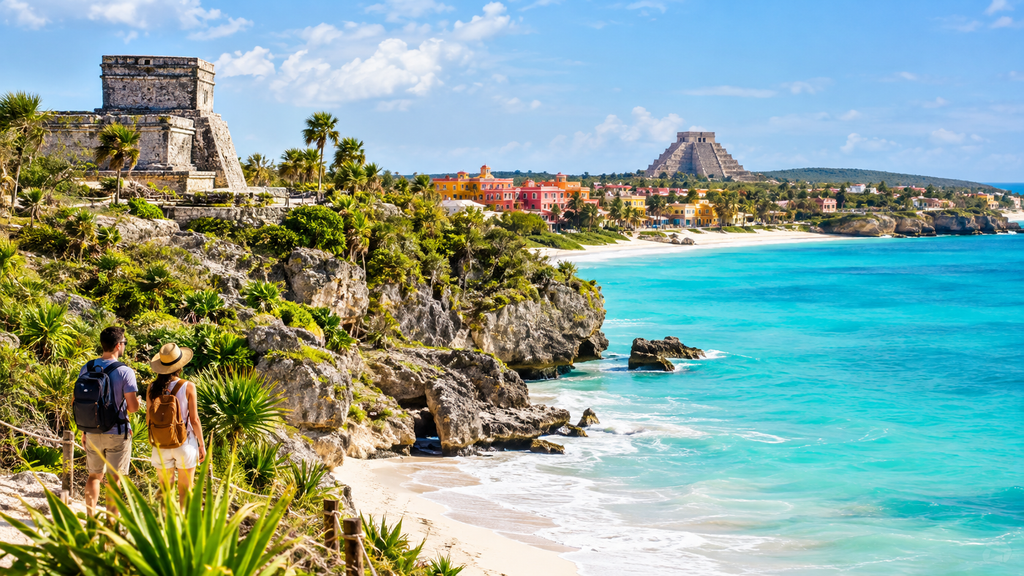
From the famous beaches of Cancún and Tulum to the cultural atmosphere of Mexico City and Oaxaca, Mexico offers destinations for almost every style of traveler. You can spend your morning exploring archaeological sites, your afternoon swimming in clear water, and your evening enjoying regional Mexican cuisine.
This guide explores some of the most appealing Mexico travel destinations and explains what makes each place different. It also covers when to visit, how to get around, what to expect, travel costs, practical planning advice, and how to choose a destination that matches your trip.
What Makes Mexico Travel Destinations So Diverse
Mexico is much more than a beach vacation. The country combines Caribbean and Pacific coastlines, deserts, mountains, colonial cities, tropical forests, archaeological sites, islands, and culturally rich towns.
The official Mexico tourism platform organizes destinations around interests such as beaches, food, culture, nature, adventure, romance, the Maya world, nightlife, and Magical Towns. This diversity makes it possible to build very different vacations within the same country.
For first time visitors, the biggest decision is usually whether to focus on beaches, culture, history, food, nature, or a combination of several experiences. A short vacation may be easier when centered around one region, while a longer trip can combine cities and coastal destinations.
Cancún for Beaches and Easy Resort Travel
Cancún is one of the best known Mexico travel destinations and is particularly popular with travelers looking for Caribbean beaches, resorts, restaurants, nightlife, and easy access to attractions around the Yucatán Peninsula.
Its white sand beaches and turquoise Caribbean water are the main attraction, but Cancún can also serve as a base for exploring archaeological and natural attractions farther afield. Travelers can use the destination as a starting point for discovering other parts of Quintana Roo and the Yucatán Peninsula.
Cancún is especially suitable for travelers who want convenience. The large tourism infrastructure means there are many accommodation choices, restaurants, organized excursions, and transportation options.
It can also work well for families, couples, groups, and travelers who prefer having many activities available without changing hotels frequently.
Tulum for Beaches, Ruins, and a More Contemporary Atmosphere
Tulum combines a Caribbean coastline with one of the region’s most recognizable archaeological settings. Its Maya ruins sit near the coast, creating an experience that is very different from simply spending the day at a resort beach.
Beyond the archaeological site, Tulum is associated with beaches, cenotes, restaurants, boutique accommodation, wellness experiences, and access to other attractions in Quintana Roo.
Tulum can appeal to travelers who want to combine history with nature and contemporary travel experiences. It is worth planning carefully, however, because the area has developed considerably and different parts of Tulum offer very different atmospheres.
If your priority is archaeology, give yourself time to visit the ruins. If your priority is relaxation, consider dividing your schedule between the beach and nearby natural attractions rather than trying to fit too many activities into one day.
Playa del Carmen for a Balanced Caribbean Vacation
Playa del Carmen offers another way to experience the Riviera Maya. It combines beaches, restaurants, shopping, nightlife, accommodation, and access to nearby attractions.
One advantage is its location. Travelers can use Playa del Carmen as a base for exploring nearby coastal and inland attractions while still having a lively town to return to.
It can be a practical choice for travelers who want more than a resort environment but do not necessarily want to stay in a large city. The atmosphere is generally more centered around the town itself, making it possible to combine beach time with restaurants and evening activities.
Cozumel for Diving and Island Experiences
Cozumel is an island destination in the Caribbean and is particularly associated with marine activities. Travelers interested in snorkeling and diving may find it more appealing than destinations where the beach is the primary focus.
The island also provides opportunities to slow down and experience a different side of the Caribbean. Instead of planning every hour around sightseeing, visitors can build a trip around water activities, beaches, local restaurants, and relaxed exploration.
Cozumel works particularly well for travelers whose main interest is the ocean. It can also be incorporated into a wider Riviera Maya itinerary.
Isla Mujeres for a Relaxed Caribbean Escape
Isla Mujeres is another popular island destination near Cancún. It is known for its beaches, clear Caribbean waters, relaxed atmosphere, and opportunities for water based activities.
The island can be attractive to travelers who want to experience the Caribbean without staying entirely within a large resort zone. Visitors can spend time around the beaches, explore the island, enjoy local food, or arrange activities on the water.
For a short Mexico vacation, Isla Mujeres can also work as an excursion from Cancún. Travelers with more time may prefer staying overnight so they can experience the island at a slower pace.
Bacalar for Natural Beauty and a Quieter Experience
Bacalar offers a different kind of water experience. Rather than focusing on the open Caribbean, the destination is famous for its freshwater lagoon and peaceful surroundings.
The town can be appealing to travelers who prefer nature, kayaking, swimming, photography, and slower travel. It is also useful for travelers exploring the southern part of Quintana Roo.
Bacalar is a good reminder that Mexico travel destinations are not limited to famous beach resorts. Smaller destinations can provide a more relaxed itinerary and a chance to spend more time outdoors.
Mexico City for Culture, History, Food, and Museums
Mexico City is one of the country’s most important urban destinations and offers a completely different experience from the Caribbean coast.
The city is a strong choice for travelers interested in museums, architecture, history, food, art, neighborhoods, markets, and cultural attractions. It can also be used as a starting point for exploring nearby historical and archaeological sites.
Because the city is so large, planning by neighborhood can make a trip much easier. Instead of crossing the entire city repeatedly, group attractions that are relatively close together.
Mexico City is particularly suitable for travelers who want a destination where sightseeing and food are equally important parts of the trip.
Oaxaca for Food, Culture, and Traditional Experiences
Oaxaca is one of the most interesting choices for travelers who want to explore Mexican culture through food, architecture, crafts, traditions, and local life.
The city provides access to the wider Oaxaca Valley and is surrounded by places where travelers can discover regional culture and landscapes. Oaxaca’s food scene is also a major reason many visitors include it in their itinerary.
Rather than treating Oaxaca as a quick stop, consider allowing several days. This gives you time to explore the historic center, visit markets, try regional dishes, and take day trips without rushing.
The Oaxaca region also includes coastal destinations such as Puerto Escondido and Huatulco, making it possible to combine cultural exploration with a beach vacation.
Puerto Vallarta for Pacific Coast Travel
Puerto Vallarta is one of the most established destinations on Mexico’s Pacific coast. It combines beaches, restaurants, outdoor activities, nightlife, and access to coastal and mountain landscapes.
It can suit travelers who want a beach vacation but also want a town with restaurants and cultural experiences nearby.
The Pacific coast also offers a different atmosphere from the Caribbean side of Mexico. Travelers comparing destinations should think about whether they prefer the Caribbean environment of Quintana Roo or the Pacific coast setting around Puerto Vallarta and nearby destinations.
Huatulco for Beaches and Nature
Huatulco is located on the Oaxaca coast and is known for its multiple bays, beaches, and natural surroundings.
It can be a good choice for travelers who want a coastal vacation without making Cancún or Tulum the center of their trip. The region offers opportunities for swimming, boating, nature activities, and relaxation.
Huatulco can also be combined with other destinations in Oaxaca when planning a longer trip.
Chichén Itzá for Ancient Maya History
Chichén Itzá is one of the most important archaeological destinations in Mexico and is a major attraction for travelers interested in Maya history.
The site can be visited as part of a Yucatán Peninsula itinerary, particularly from destinations such as Cancún or other nearby areas.
Travelers interested in archaeological sites should avoid treating the visit as only a photo opportunity. Learning about the history and significance of the site can make the experience much more meaningful.
It is also sensible to arrive prepared for heat and sun, particularly during warmer periods.
Best Time to Visit Mexico
There is no single best month for every Mexico travel destination because the country has several climate zones.
Mexico’s official tourism information generally describes a dry season from November through April and a rainy season from May through October, although conditions vary significantly by region.
Caribbean destinations such as Cancún, Tulum, and Puerto Vallarta tend to have warm climates, while central cities such as Mexico City experience more moderate temperatures.
For many travelers, the months around the dry season are attractive because outdoor sightseeing and beach activities can be easier to plan. However, travelers should check the specific weather conditions for their chosen region rather than assuming the entire country has the same climate.
The rainy season does not necessarily mean continuous rain. In many areas, rainfall can occur in shorter periods, leaving plenty of time for activities.
How Much Does a Mexico Trip Cost?
The cost of visiting Mexico depends heavily on the destination, accommodation, season, transportation, and travel style.
A budget traveler may choose local restaurants, public transportation, hostels, and smaller guesthouses. A mid range traveler might combine comfortable hotels with restaurants and organized activities. Luxury travelers can spend considerably more on resorts, private transfers, premium dining, and excursions.
Beach resort destinations can become expensive during high demand periods, while smaller cities and towns may offer different accommodation options.
Rather than creating one national daily budget, it is more useful to estimate costs according to your destination and travel style. Before booking, compare accommodation, airport transfers, local transportation, food, entrance fees, tours, and activities.
Getting Around Mexico
Mexico has an extensive transportation network, but the easiest option depends on the region.
Domestic flights are useful when covering large distances between major cities or regions. Long distance buses can be practical for travelers moving between cities where road connections are convenient.
Within major tourist destinations, travelers may use taxis, rideshare services where available, local buses, ferries, private transfers, or organized tours.
The Maya Train also provides connections across parts of the Yucatán Peninsula and Quintana Roo, making rail travel increasingly relevant when planning routes in that region.
For a first trip, avoid creating an itinerary that requires constant long distance transfers. Choosing destinations within the same region can give you more time to actually enjoy the places you visit.
What to Expect From a Mexico Vacation
Mexico offers a combination of modern tourism infrastructure and deeply rooted local traditions. Large resort destinations may feel highly international, while smaller cities and towns can provide a much more local atmosphere.
Food is an important part of the experience. Travelers should look beyond familiar Mexican dishes and explore regional specialties, markets, bakeries, seafood, street food, and traditional restaurants where appropriate.
Language can also influence the experience. Spanish is the primary language, although English is widely used in many tourist areas.
Travelers should also remember that Mexico is a large country and conditions can vary substantially between destinations. Avoid assuming that information about one tourist region applies everywhere.
Travel Safety and Practical Planning
Safety conditions vary by state and destination, so travelers should check current official travel advice for the specific places they plan to visit.
The United States Department of State’s current Mexico advisory, issued in May 2026, recommends increased caution nationally and notes that risk levels can differ between states and even within states.
Practical precautions include keeping valuables secure, using reputable transportation, avoiding displaying expensive belongings unnecessarily, staying aware of your surroundings, and checking local guidance before traveling between regions.
Travel insurance can also be useful for international trips, particularly when your itinerary includes flights, tours, water activities, or non refundable bookings.
Entry requirements also depend on nationality. Travelers should check passport, visa, and immigration requirements before departure rather than relying on general information found online.
Pros and Cons of Visiting Mexico
Mexico offers remarkable variety, which is one of its biggest strengths. Travelers can combine beaches, archaeology, food, cities, nature, and cultural experiences within one country.
The country also provides options for different budgets. Luxury resorts exist alongside independent hotels, hostels, guesthouses, local restaurants, and public transportation.
However, the same diversity can make planning complicated. Distances between destinations can be significant, and weather conditions differ by region. Popular destinations can also become crowded during periods of high demand.
Travelers who plan around a specific region and choose activities according to their interests will generally have a more manageable itinerary than travelers attempting to see too much in one trip.
Is Mexico Worth Visiting?
For travelers interested in beaches, history, culture, food, nature, or a combination of these experiences, Mexico offers an unusually broad range of possibilities.
The most important question is not whether Mexico is worth visiting, but which part of Mexico matches the type of vacation you want. Cancún can suit travelers seeking Caribbean beaches and resort convenience, while Mexico City and Oaxaca are better suited to travelers prioritizing culture, history, food, and city experiences.
Travelers interested in nature can consider destinations such as Bacalar, Cozumel, Huatulco, and other regional destinations. Those interested in ancient history can build an itinerary around archaeological sites in the Yucatán Peninsula.
Mexico is therefore most rewarding when you choose your destination based on your interests rather than simply following the most famous tourist names.
Frequently Asked Questions
What are the best Mexico travel destinations for first time visitors?
Popular choices include Cancún, Tulum, Playa del Carmen, Mexico City, Oaxaca, and Puerto Vallarta. The right destination depends on whether you prioritize beaches, culture, food, history, nightlife, or nature.
What is the most popular destination in Mexico?
Cancún is one of Mexico’s most internationally recognized tourist destinations, particularly for Caribbean beaches, resorts, and access to attractions across the Yucatán Peninsula.
Which Mexico destination is best for beaches?
Cancún, Tulum, Isla Mujeres, Cozumel, Puerto Vallarta, and Huatulco are among the destinations travelers can consider for beach vacations. Each offers a different atmosphere and coastal experience.
What is the best time to visit Mexico?
The best time depends on the region. In general, November through April is considered the drier period in much of Mexico, while May through October is generally wetter. Always check the climate for your specific destination.
Is Mexico expensive to visit?
Mexico can accommodate different travel budgets. Costs depend on accommodation, destination, transportation, dining, season, and activities. Resort areas can be considerably more expensive than smaller cities and towns.
How many days should I spend in Mexico?
A week can work well for exploring one region, while two weeks or more provides greater flexibility for combining cities, beaches, archaeological sites, and cultural destinations.
Is Mexico safe for tourists?
Safety conditions vary significantly by destination. Travelers should check current official guidance for the specific states and cities they plan to visit and follow practical precautions throughout their trip.
Do I need a visa to visit Mexico?
Visa requirements depend on your nationality, passport, purpose of travel, and length of stay. Check the current Mexican immigration requirements applicable to your passport before booking your trip.
Conclusion
Mexico travel destinations offer an impressive range of experiences, from Caribbean beaches and island escapes to ancient Maya sites, historic cities, regional cuisine, nature, and Pacific coast adventures. The variety means that almost every type of traveler can find a destination that fits their interests.
For a beach focused vacation, destinations such as Cancún, Tulum, Isla Mujeres, Cozumel, and Huatulco provide different versions of the Mexican coast. Travelers looking for culture and food can explore Mexico City and Oaxaca, while history enthusiasts can include major archaeological sites such as Chichén Itzá in their itinerary.
The best approach is to choose a region first and then build your trip around the experiences that matter most to you. With thoughtful planning, realistic travel times, current safety information, and destination specific research, Mexico can provide a varied and memorable international vacation.
For the factual travel planning points, Mexico’s official tourism information confirms the country’s regional climate diversity, broad destination categories, and practical entry and transportation guidance. The official tourism site also specifically highlights destinations including Cancún, Tulum, Cozumel, Isla Mujeres, Bacalar, Playa del Carmen, Oaxaca, Puerto Escondido, and Huatulco. Current U.S. State Department guidance, issued May 29, 2026, advises increased caution in Mexico and notes that conditions vary considerably by state.