

Spain best travel destinations offer an incredible mix of Mediterranean beaches, historic cities, dramatic landscapes, world famous architecture, and unforgettable food experiences. From the vibrant streets of Barcelona and Madrid to the historic charm of Seville and Granada, Spain gives travelers countless ways to experience its diverse regions and cultures.
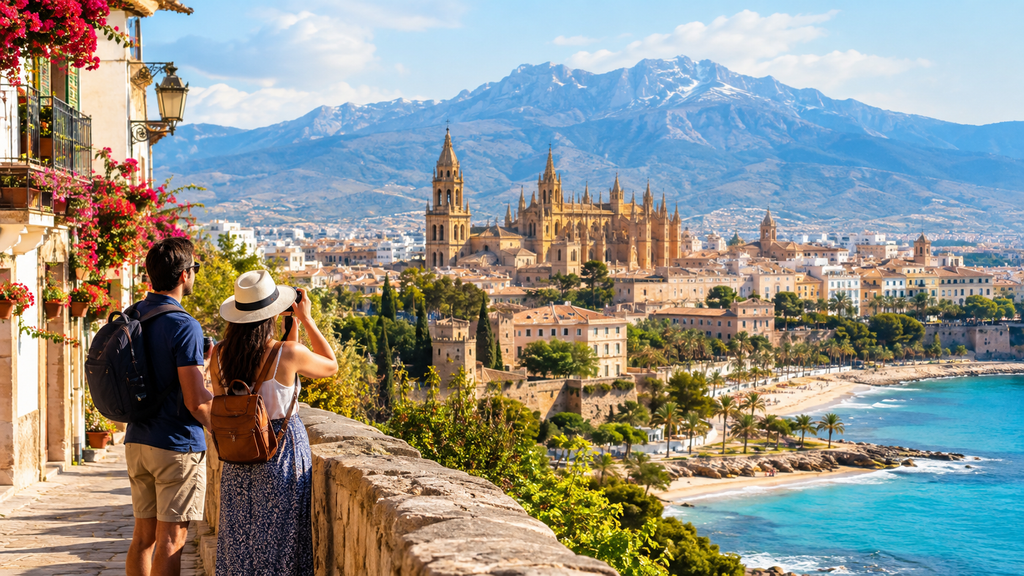
For first time visitors, choosing where to go can be challenging because Spain has so many distinctive destinations. Barcelona combines remarkable architecture with Mediterranean beaches, while Madrid is known for museums, food, parks, and lively city culture. Further south, Seville and Granada showcase Andalusian history, architecture, and traditions, while Valencia and Málaga offer a balance of coastal scenery and cultural attractions.
Beyond mainland Spain, destinations such as Mallorca, San Sebastián, Bilbao, and Tenerife provide completely different travel experiences. Whether you are looking for beaches, history, food, nature, architecture, or a relaxing island escape, understanding what each destination offers can help you create a Spain itinerary that matches your travel style.
Barcelona for Architecture, Beaches, and City Energy
Barcelona is one of the most recognizable destinations in Spain, combining Mediterranean scenery with distinctive architecture, historic neighborhoods, food markets, shopping streets, museums, and beaches.
The city is particularly famous for the work of Antoni Gaudí. Sagrada Família, Park Güell, Casa Batlló, and La Pedrera are among the major attractions that give Barcelona its unmistakable visual character. The official Spanish tourism website also highlights the Gothic Quarter, Born district, Montjuïc, La Boqueria market, the waterfront, and the city’s beaches.
Barcelona works particularly well for travelers who want a mixture of sightseeing and relaxation. You can spend a morning exploring historic streets, an afternoon beside the Mediterranean, and an evening enjoying Catalan food.
Because the city is popular, major attractions can become busy. Planning tickets and sightseeing times in advance can make the experience considerably easier.
Best for: Architecture, beaches, food, couples, city breaks, and first time visitors.
Madrid for Museums, Food, and Urban Culture
Madrid offers a different side of Spain. As the country’s capital, it combines major museums, historic neighborhoods, parks, shopping, restaurants, nightlife, and everyday Spanish city life.
Art lovers have plenty to explore around the Paseo del Arte, while the Royal Palace, Retiro Park, Gran Vía, Madrid de los Austrias, and Salamanca district provide very different experiences across the city. Spain’s official tourism website also highlights La Latina for tapas and the city’s rooftop venues.
Madrid is particularly appealing if museums, food, architecture, nightlife, and urban culture matter more to you than a beach holiday.
It is also a useful base for exploring central Spain, with several historic destinations reachable as day trips by rail.
Best for: Museums, food, nightlife, history, shopping, and city travelers.
Seville for Andalusian Culture and Historic Sights
Seville has a distinctive atmosphere that makes it one of the most memorable places to visit in southern Spain. The city is strongly associated with Andalusian architecture, flamenco, tapas, courtyards, plazas, and historic monuments.
The Royal Alcázar, Seville Cathedral, and Giralda are central attractions. Plaza de España and María Luisa Park are also among the city’s most recognizable places. Spain’s official tourism site identifies the Alcázar and Cathedral as World Heritage attractions and highlights flamenco performances and tapas in the Santa Cruz area.
Seville is a good destination for travelers who want their trip to feel culturally immersive rather than centered mainly around famous tourist attractions.
The city is also well suited to walking, although hot weather can affect sightseeing comfort during the height of summer.
Best for: History, architecture, flamenco, food, couples, and cultural travel.
Granada for the Alhambra and Moorish Heritage
Granada is one of the strongest choices for travelers interested in Spain’s layered history. The city is best known for the Alhambra, a spectacular palace and fortress complex overlooking Granada.
The experience extends beyond the Alhambra. Visitors can explore the Albaicín, discover traditional Andalusian streets, enjoy views toward the Sierra Nevada, and experience Granada’s distinctive combination of Spanish and Moorish influences.
Spain’s official tourism website specifically lists the Alhambra among the country’s major city break attractions, alongside landmarks in Seville, Valencia, Barcelona, Madrid, and Bilbao.
If the Alhambra is a priority, advance planning is sensible because entry arrangements and availability can affect your itinerary.
Best for: History, architecture, photography, culture, and scenic city experiences.
Valencia for Beaches, Food, and Modern Attractions
Valencia offers an appealing combination of Mediterranean beaches, historic streets, food culture, and contemporary architecture.
The city is particularly associated with paella, which originated in the Valencia region. Travelers can combine a visit to the historic center with time near the coast and a visit to the City of Arts and Sciences.
Valencia can be a good alternative for travelers who want many of the advantages of a major Spanish city without building their entire trip around Madrid or Barcelona.
Its Mediterranean setting also makes it attractive for visitors who want sightseeing combined with beach time.
Best for: Beaches, food, architecture, families, and relaxed city breaks.
Málaga for Coastal Scenery and Art
Málaga sits on Spain’s Costa del Sol and combines coastal scenery with a surprisingly strong cultural offering.
The city is closely associated with Pablo Picasso, and visitors can explore museums and historic attractions alongside beaches, restaurants, markets, and the old town. Spain’s official tourism website highlights the Picasso Museum, Carmen Thyssen Museum, Cathedral, Roman Theatre, Gibralfaro Castle, beaches, tapas, and local seafood experiences.
Málaga is especially practical for travelers who want a destination where cultural sightseeing and seaside relaxation can fit into the same trip.
It can also work as part of a wider Andalusian itinerary.
Best for: Beaches, art, food, culture, and southern Spain itineraries.
Mallorca for Mediterranean Beaches and Island Escapes
Mallorca is one of Spain’s most popular island destinations and offers a different experience from mainland cities.
The island is known for clear Mediterranean waters, coves, mountain scenery, coastal villages, and outdoor activities. Palma provides an urban and cultural base, while other parts of the island appeal to travelers looking for quieter scenery and coastal exploration.
Mallorca is particularly suitable for travelers who want to slow down rather than move between museums and historic landmarks every day.
During the busiest summer period, popular coastal areas can be crowded. Travelers seeking a quieter experience may prefer visiting outside peak summer weeks.
Best for: Beaches, couples, road trips, nature, and island holidays.
San Sebastián for Food and Coastal Beauty
San Sebastián, in the Basque Country, is an excellent option for travelers who put food high on their list.
The city combines an attractive coastal setting with Basque culinary traditions, a compact urban environment, and beaches such as La Concha. It is particularly well known for pintxos, the small dishes associated with Basque food culture.
The destination is different from the traditional image many international visitors have of Spain. Its northern location, Atlantic atmosphere, cuisine, and architecture provide another perspective on the country.
Spain’s official tourism website includes San Sebastián among its recommended destinations for weekend breaks.
Best for: Food lovers, coastal scenery, couples, and travelers seeking a northern Spain experience.
Bilbao for Art and Basque Culture
Bilbao is another strong choice in northern Spain. The city is internationally recognized for the Guggenheim Museum and its striking contemporary architecture.
Yet Bilbao is not only about modern art. The historic center, local food, markets, riverfront, and surrounding Basque landscapes add considerable depth to the visit. Spain’s tourism authority highlights the Guggenheim, historic center, pintxos, La Ribera Market, and the Nervión River as important parts of the Bilbao experience.
Bilbao can be particularly rewarding for travelers who want art, architecture, food, and regional culture in one destination.
Best for: Art, architecture, food, culture, and northern Spain.
Tenerife for Nature, Beaches, and Volcanic Landscapes
Tenerife offers a very different type of Spanish holiday. Located in the Canary Islands, the island is known for volcanic scenery, beaches, outdoor activities, and varied landscapes.
One of its defining features is Mount Teide and the surrounding volcanic environment. Travelers can combine nature experiences with coastal relaxation, depending on where they stay.
The Canary Islands are presented by Spain’s official tourism website as a major destination group, with the islands known for their climate and diverse travel experiences.
Tenerife can be especially appealing when your idea of Spain involves outdoor adventure rather than a traditional European city break.
Best for: Nature, beaches, hiking, winter sun, and outdoor activities.
Choosing the Right Spanish Destination
The best destination depends heavily on what you want from your vacation.
If architecture and Mediterranean city life appeal to you, Barcelona is a natural option. Madrid is particularly suitable for museums, food, nightlife, and urban culture. Seville and Granada are strong choices for historic and Andalusian experiences.
For beach focused travel, Mallorca, Valencia, Málaga, Barcelona, and Tenerife offer different versions of a coastal holiday. If food is central to your plans, San Sebastián, Bilbao, Valencia, Seville, and Madrid each provide distinctive culinary experiences.
For travelers interested in combining several experiences, a multi destination itinerary can make more sense than staying in one city. Spain’s official tourism portal lists destinations across mainland regions and island groups, reflecting the country’s considerable geographic and cultural variety.
Best Time to Visit Spain
There is no single best month for every Spanish destination.
Spring and autumn are often attractive for city sightseeing because temperatures can be more comfortable than during the hottest part of summer. These seasons can also work well for walking tours, historic attractions, and cultural trips.
Summer is especially appealing for beach holidays, but popular destinations can be busy and some inland areas can become very hot.
Winter can be useful for travelers interested in cities, southern Spain, or the Canary Islands. Spain’s official tourism website notes that the country’s destinations offer different experiences throughout the year, including city breaks, beaches, nature, food, and cultural activities.
Before booking, check the seasonal conditions for your specific destination rather than assuming the climate is identical across Spain.
Getting Around Spain
Spain is relatively straightforward to explore using a combination of trains, buses, domestic flights, and local public transportation.
Major cities such as Madrid and Barcelona have extensive public transportation networks. High speed rail can make some mainland journeys considerably more convenient than driving.
For island destinations such as Mallorca and Tenerife, flights and ferries can become important depending on your itinerary. A rental car can also be useful if your trip focuses on smaller towns, rural landscapes, mountain areas, or beaches outside major cities.
The best transport choice depends on your route. For a city focused trip, public transportation and trains may be sufficient. For a road trip through smaller destinations, having a car can provide more flexibility.
What to Expect From a Spain Trip
Spain is not one uniform travel experience. Regional identity matters, and food, architecture, traditions, landscapes, and even the pace of daily life can vary significantly from one area to another.
Travelers should also remember that popular attractions can become busy, particularly during major holiday periods. Advance planning is useful for famous museums, monuments, and attractions with limited entry.
Food is another important part of the experience. Instead of treating meals simply as something between sightseeing stops, allow time to explore regional specialties and local markets.
A flexible itinerary is often better than trying to see every major attraction in a short period. Spain rewards travelers who leave enough time to walk, eat, explore neighborhoods, and discover places beyond the headline sights.
Spain Best Travel Destinations Compared
| Destination | Best for | Travel style |
|---|---|---|
| Barcelona | Architecture, beaches, food | City and Mediterranean |
| Madrid | Museums, food, nightlife | Urban and cultural |
| Seville | History, flamenco, architecture | Cultural and relaxed |
| Granada | Alhambra, history, scenery | Historic and scenic |
| Valencia | Beaches, food, modern attractions | Coastal city |
| Málaga | Art, beaches, culture | Coastal and cultural |
| Mallorca | Beaches, nature, road trips | Island escape |
| San Sebastián | Food and coastline | Culinary and coastal |
| Bilbao | Art, architecture, Basque culture | Cultural and urban |
| Tenerife | Nature, beaches, hiking | Outdoor and island |
Is Spain Worth Visiting?
Spain is worth considering if you want a destination that can support very different styles of travel within the same country.
A traveler interested in museums and architecture can build a trip around Madrid and Barcelona. Someone focused on history can explore Seville and Granada. Beach lovers have choices ranging from Mediterranean coastal cities to the Balearic and Canary Islands. Food focused travelers can explore regional cuisines from Valencia to the Basque Country.
The main consideration is not whether Spain offers enough to see, but how much of it you can realistically fit into your available time. Trying to cover too many regions on one short trip can turn a relaxing vacation into a sequence of transportation days.
For most travelers, choosing a few destinations that match their interests will create a more satisfying itinerary than attempting to visit every famous place.
Frequently Asked Questions
What are the best travel destinations in Spain for first time visitors?
Barcelona and Madrid are common starting points because they provide major cultural attractions, food experiences, transportation connections, and a broad introduction to Spanish city life. Seville and Granada are also strong choices for travelers particularly interested in Andalusian history and architecture.
Which part of Spain is best for beaches?
Spain has beaches across several regions. Mallorca and the Balearic Islands are known for Mediterranean coastal scenery, while Málaga and Valencia offer beaches alongside mainland city experiences. Tenerife and the wider Canary Islands provide another option with volcanic landscapes and year round appeal.
Is Barcelona or Madrid better for a Spain trip?
They offer different experiences rather than identical ones. Barcelona combines Mediterranean scenery, Gaudí architecture, beaches, and Catalan culture, while Madrid is particularly strong for museums, historic neighborhoods, food, shopping, and nightlife.
How many days do you need in Spain?
A short trip can focus on one or two destinations, while a longer holiday allows travelers to combine cities and regions. The ideal duration depends on how many destinations you want to visit and whether you prefer a relaxed or fast paced itinerary.
What is the best month to visit Spain?
Spring and autumn can be comfortable for many sightseeing focused trips, while summer is popular for beach holidays. Winter can work well for southern destinations, cities, and the Canary Islands. Conditions vary considerably between regions.
Is Spain expensive to visit?
The total cost depends on your destination, accommodation, travel dates, transportation, restaurants, and activities. Major tourist cities and peak summer periods can cost more, while travelers can often control spending through accommodation choices, public transportation, local restaurants, and advance planning.
Which Spanish destination is best for food lovers?
San Sebastián is particularly well known for its food culture, while Valencia is closely associated with paella and the Basque Country offers distinctive pintxos. Madrid, Seville, Málaga, and Barcelona also provide extensive culinary options.
Can you visit several Spanish destinations on one trip?
Yes. Spain has an extensive transportation network connecting many major destinations. A practical itinerary might combine cities that are geographically and logistically compatible rather than attempting to cross the entire country repeatedly.
Conclusion
Spain’s greatest travel advantage is its variety. Barcelona offers a Mediterranean city experience shaped by Gaudí architecture and beaches, Madrid brings museums and urban culture, while Seville and Granada reveal the historic character of Andalusia. Valencia and Málaga add coastal experiences without sacrificing cultural attractions, and Mallorca, San Sebastián, Bilbao, and Tenerife provide entirely different reasons to travel.
The best way to plan a Spain vacation is to begin with your interests rather than simply collecting famous destinations. Think about whether you want beaches, architecture, history, food, nature, nightlife, or a combination of several experiences. Spain’s official tourism resources organize destinations across cities, regions, islands, heritage sites, beaches, nature, food, and routes, which reflects just how diverse the country is.
For a first visit, a carefully planned combination of two or three destinations can provide a much richer experience than rushing through a long list of places. Whether your ideal trip involves historic Andalusian streets, Mediterranean beaches, world class museums, mountain scenery, or exceptional regional food, Spain has a destination capable of fitting that travel style.