

Introduction
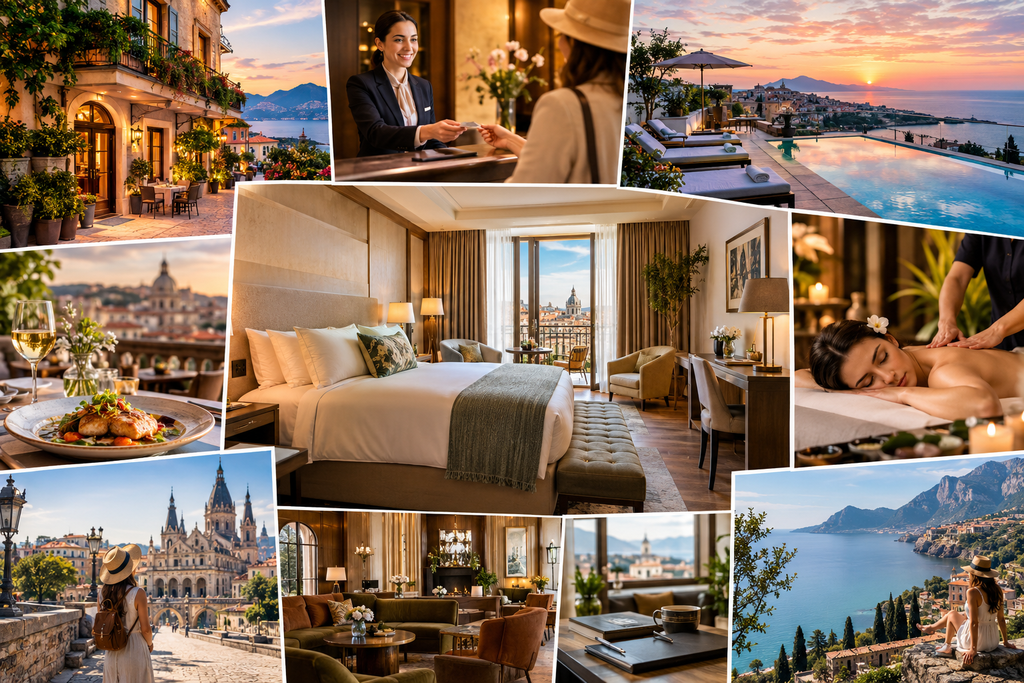
Choosing a hotel can shape an entire trip. The right property does more than provide a comfortable bed at the end of the day. It can influence how easily you explore a destination, how connected you feel to the local area, and how much you enjoy the quieter moments between sightseeing and dining.
That is where luxury boutique hotels have become especially appealing. They combine the comfort and attention associated with luxury accommodation with the distinctive personality of a smaller property. Instead of looking and feeling identical to hotels in other cities, boutique properties often have their own design language, atmosphere, service style, and connection to the destination.
The term boutique is also used very broadly in the hotel industry, so travelers should look beyond the label itself. A genuinely impressive boutique hotel is not simply a small hotel with fashionable furniture. The experience should come from thoughtful design, attentive service, quality accommodation, a memorable sense of place, and details that make the stay feel personal.
What Are Luxury Boutique Hotels?
Luxury boutique hotels are generally smaller or more intimate properties that combine distinctive design and personalized hospitality with a higher level of comfort and service. Unlike conventional hotels that may follow a consistent brand template across many destinations, boutique properties tend to develop an individual identity.
Boutique hotels are often associated with smaller room counts, although there is no universal room limit that determines whether a property qualifies. Their defining qualities are usually more important than size. Distinctive architecture, carefully selected interiors, local character, personal service, and an intimate atmosphere are common characteristics.
Luxury and boutique are related but not identical concepts. A boutique hotel does not automatically become luxurious simply because it is stylish, while a luxury hotel does not have to be boutique. The strongest properties bring both ideas together by providing high quality accommodation without losing individuality.
This combination appeals to travelers who want more than standardized comfort. Instead of choosing a hotel simply because it belongs to a familiar brand, they may prefer a property that feels connected to the neighborhood, building, culture, or landscape around it.
What to Expect From a Luxury Boutique Hotel
The experience can vary considerably from one property to another, but several qualities commonly define the category.
Distinctive Design and Atmosphere
Design is often one of the first things travelers notice. A boutique property may occupy a restored historic building, an architecturally interesting contemporary structure, a converted townhouse, or a carefully designed resort.
Interiors can range from understated and sophisticated to colorful and dramatic. Local artwork, handcrafted furniture, regional materials, distinctive lighting, and carefully chosen decorative details may help create a strong sense of identity.
The purpose is not simply to make a hotel look attractive in photographs. Good design should contribute to the atmosphere of the stay and help the property feel connected to its destination.
Personalized Service
Personal service is another major reason travelers choose boutique accommodation. A smaller property can create more opportunities for staff to understand individual preferences and provide recommendations that feel relevant rather than generic.
This might include help choosing a local restaurant, arranging transportation, recommending cultural attractions, or suggesting activities that match a guest’s interests.
However, travelers should not assume that every hotel using the word boutique automatically provides exceptional service. The quality of hospitality still depends on the individual property, its management, and its staff.
A Strong Sense of Place
One of the most appealing aspects of luxury boutique accommodation is its relationship with the destination. The best properties often make the surrounding city, neighborhood, countryside, or coastline part of the experience.
A hotel in a historic district might preserve original architectural details. A coastal property may use local materials and regional design influences. An urban boutique hotel might collaborate with nearby restaurants, artists, guides, or cultural organizations.
This sense of place can make the accommodation feel like part of the journey rather than simply somewhere to sleep.
Luxury Boutique Hotels Compared With Traditional Luxury Hotels
The difference is usually less about whether one offers luxury and more about how that luxury is delivered.
Traditional luxury hotels often emphasize consistency, extensive facilities, established service standards, and a broad selection of amenities. Larger properties may have several restaurants, spacious fitness facilities, pools, conference areas, lounges, concierge services, and other conveniences.
Luxury boutique hotels usually place greater emphasis on individuality and intimacy. They may have fewer facilities, but those they do offer can be more carefully integrated into the hotel’s overall identity.
For travelers, the decision therefore comes down to what matters most during the trip. Someone attending a large conference may value extensive facilities and predictable services. A couple exploring a historic city may care more about atmosphere, location, privacy, and personalized recommendations.
Boutique and luxury are not mutually exclusive categories. A property can combine boutique character with sophisticated facilities and high service standards, while a large luxury hotel can also provide distinctive design and personalized experiences.
What Amenities Should You Look For?
Amenities can differ dramatically between properties, so travelers should examine the specific hotel rather than assuming that every luxury boutique property provides the same facilities.
Comfortable and Thoughtful Rooms
Room quality should be one of the first considerations. Look for information about bed quality, room size, bathrooms, sound insulation, climate control, storage, seating, and natural light.
A beautifully designed room is not necessarily a comfortable one. Practical details matter, particularly for longer stays.
Travelers should also check whether the room category shown in photographs matches the room they are actually booking. Some hotels have dramatically different room layouts, views, and sizes within the same general category.
Dining and Local Food
Food can be an important part of the boutique hotel experience. Some properties have destination focused restaurants, intimate dining rooms, cocktail lounges, rooftop spaces, cafés, or breakfast programs built around local ingredients.
Before booking, consider whether dining is important to your trip. A hotel with an excellent restaurant can be particularly convenient for a romantic evening or a relaxed arrival night, while travelers who prefer exploring local restaurants may care more about neighborhood location.
Wellness and Relaxation
Depending on the property, luxury boutique accommodation may include a spa, treatment rooms, sauna, fitness area, yoga space, swimming pool, or private wellness facilities.
These amenities are especially relevant for travelers planning a relaxing vacation rather than a sightseeing heavy itinerary.
However, smaller properties may not have the extensive wellness facilities found at large luxury resorts. Always check the actual facilities before booking if wellness is central to your plans.
How to Choose the Right Luxury Boutique Hotel
The most attractive hotel on a booking platform is not necessarily the best match for your trip. Start by deciding what you want the accommodation to contribute to the experience.
Consider the Location First
Location can be more important than decorative style. A beautiful boutique hotel far from the places you want to visit may become inconvenient if transportation is difficult or expensive.
For city breaks, consider proximity to major attractions, restaurants, public transportation, historic districts, shopping areas, and nightlife. For beach vacations, check whether the property provides direct access to the coast or simply has a distant ocean view.
Maps, neighborhood descriptions, recent guest feedback, and transportation information can help reveal whether the hotel’s location actually suits your itinerary.
Look Beyond the Photographs
Hotel photography is useful, but it should not be your only source of information. Photographs naturally emphasize attractive spaces and may not show noise, room size, surrounding streets, stairs, limited facilities, or other practical considerations.
Read the property description carefully and compare several recent guest reviews. Look for repeated comments rather than relying on one unusually positive or negative review.
A recurring observation about cleanliness, service, noise, room size, or location is usually more useful than an isolated opinion.
Check What the Rate Includes
The advertised room rate does not always represent the total cost of the stay.
Before booking, check whether breakfast, taxes, resort charges, parking, airport transportation, spa access, or other services cost extra. Cancellation policies also deserve careful attention.
Luxury accommodation can involve higher nightly rates, but the value depends on what is included and how well the property fits the purpose of the trip.
There is no universal rule that boutique hotels are always more expensive than conventional hotels. Prices vary according to destination, season, property type, room category, demand, and included services.
Best Destinations for Luxury Boutique Hotels
Boutique accommodation can work particularly well in destinations where architecture, food, history, art, or local culture are important parts of the travel experience.
Historic European Cities
European cities with historic architecture are especially well suited to boutique hotels. Former residences, historic townhouses, renovated buildings, and small urban properties can provide travelers with an accommodation experience that reflects the character of the destination.
For travelers interested in culture and architecture, staying in a distinctive property can complement the sightseeing experience.
Major American Cities
Cities such as New York, Los Angeles, Miami, and other major urban destinations have long been associated with boutique accommodation. These hotels can provide an alternative to large standardized properties, particularly for travelers who want to stay in lively neighborhoods with restaurants, galleries, shopping, and nightlife nearby.
Beach and Resort Destinations
Boutique luxury is not limited to cities. Smaller resorts can offer privacy, distinctive architecture, intimate dining, wellness experiences, and personalized service in coastal destinations.
These properties can be particularly attractive to couples and travelers seeking a quieter alternative to large all inclusive resorts.
Cultural and Nature Focused Destinations
Boutique hotels can also work well in places where local culture and natural surroundings are central to the trip. A small property may provide a more intimate setting while giving travelers easier access to local communities, landscapes, food, and activities.
When Is the Best Time to Book?
The best time depends heavily on the destination and the hotel’s demand patterns. Popular boutique properties with a limited number of rooms can fill quickly during peak travel periods.
If you are traveling during a major holiday, festival, summer vacation period, or popular cultural event, booking earlier can provide more choice in room categories and dates.
Traveling during quieter periods may provide more flexibility and sometimes lower rates, although travelers should check seasonal weather and operating schedules before choosing dates.
For a luxury boutique hotel, flexibility can be especially valuable because a property with only a limited number of rooms has less inventory available than a large hotel.
How Much Do Luxury Boutique Hotels Cost?
There is no single price range for luxury boutique hotels because the category covers properties in very different destinations and markets.
A boutique hotel in a major global city can have a very different nightly rate from a small luxury property in a secondary destination. Room size, views, location, season, demand, dining, facilities, and service levels can all influence the price.
Instead of judging value solely by the nightly rate, consider the complete stay. A centrally located property might reduce transportation costs. A hotel with an excellent breakfast may provide additional value. A property with personalized concierge assistance could save time when planning activities.
The right question is not simply whether a hotel is expensive. It is whether its location, comfort, service, atmosphere, and included benefits justify the cost for your particular trip.
Pros and Cons of Luxury Boutique Hotels
Luxury boutique accommodation offers several advantages, but it also has limitations.
The strongest benefit is individuality. Travelers who dislike standardized hotel environments may appreciate distinctive architecture, unique rooms, local design, and more intimate public spaces.
Personalized service can also make the experience feel more thoughtful. Smaller properties may provide recommendations and assistance that are closely tailored to individual guests.
The main limitation is that smaller properties may not provide the extensive facilities available at large luxury resorts. A boutique hotel may have a small fitness area instead of a large gym, a compact restaurant instead of several dining venues, or limited meeting facilities.
Another consideration is consistency. Major hotel groups often provide recognizable standards across different destinations. Independent boutique properties can vary considerably, which makes researching the individual hotel more important.
Is a Luxury Boutique Hotel Worth It?
For many travelers, the answer depends on whether the hotel itself is an important part of the trip.
If you spend most of your day exploring and simply need a clean, comfortable room, you may not benefit from paying a premium for elaborate design or personalized service.
But if you value atmosphere, privacy, local character, distinctive architecture, thoughtful service, and memorable accommodation, a luxury boutique hotel can add another dimension to the journey.
The key is to choose based on your actual priorities rather than the word luxury alone. A beautifully photographed hotel is not automatically the right hotel for every traveler.
Tips for Booking Luxury Boutique Hotels
Read recent guest reviews and look for recurring comments about service, cleanliness, noise, room size, and location.
Check the exact room category before booking because boutique properties often have individually designed rooms with different layouts.
Confirm what is included in the advertised rate, especially breakfast, parking, taxes, transportation, and additional hotel fees.
Study the neighborhood rather than judging the location only by its distance from the city center.
Look at the hotel’s cancellation policy before making a nonrefundable booking.
If you have specific requirements, contact the property before arrival rather than assuming they are available.
Compare the hotel’s official information with independent traveler feedback so you can understand both the intended experience and the practical reality.
Frequently Asked Questions
What makes a hotel a luxury boutique hotel?
A luxury boutique hotel generally combines distinctive design, intimate scale, personalized service, quality accommodation, and a strong sense of place. The exact definition varies because boutique is not a strict universal classification.
Are luxury boutique hotels expensive?
They can be, but there is no fixed price range. Rates depend on destination, season, location, room category, demand, facilities, and services. Boutique hotels are not automatically more expensive than every conventional hotel.
Are boutique hotels better for couples?
They can be particularly appealing to couples because many emphasize intimate spaces, distinctive design, privacy, dining, and personalized service. However, the suitability of a property depends on its individual atmosphere and facilities.
Do luxury boutique hotels have pools and spas?
Some do, while others have limited or no wellness facilities. Travelers who specifically want a pool, spa, sauna, or fitness center should verify the hotel’s current facilities before booking.
Are boutique hotels good for families?
Some boutique hotels are suitable for families, while others are designed primarily around couples or adult travelers. Check room configurations, connecting rooms, child policies, dining facilities, and available activities before booking.
What is the difference between a boutique hotel and a luxury hotel?
Boutique hotels tend to emphasize individuality, intimate scale, distinctive design, and local character. Luxury hotels generally emphasize high standards of comfort, service, facilities, and consistency. The two categories can overlap.
How can I find a genuine luxury boutique hotel?
Look beyond the marketing label. Examine the hotel’s design, size, service philosophy, location, guest reviews, facilities, ownership or collection, and relationship with the local destination. The strongest boutique properties demonstrate individuality rather than simply using the term in their marketing.
Are luxury boutique hotels worth booking for a short trip?
They can be especially attractive for short trips because the hotel itself can become part of the experience. A well located property with a distinctive atmosphere can allow travelers to enjoy comfortable accommodation without spending much time traveling between the hotel and major attractions.
Conclusion
Luxury boutique hotels offer a different interpretation of upscale travel. Instead of focusing only on impressive facilities or familiar brand names, they often place greater emphasis on personality, atmosphere, design, location, and personal service. For travelers who see accommodation as part of the destination rather than simply a place to sleep, that difference can be meaningful.
The most important step is to look beyond the word boutique. Compare the location, room details, amenities, policies, recent guest feedback, dining options, and overall character of each property. A smaller hotel is not automatically more personal, and an attractive interior does not automatically mean excellent service. The individual property matters more than the label.
For travelers who value distinctive surroundings, thoughtful hospitality, local character, and a more intimate atmosphere, luxury boutique hotels can be an excellent accommodation choice. Choose a property that matches the purpose of your trip, and the hotel can become more than a comfortable base. It can become one of the memorable parts of the journey itself.