

Introduction
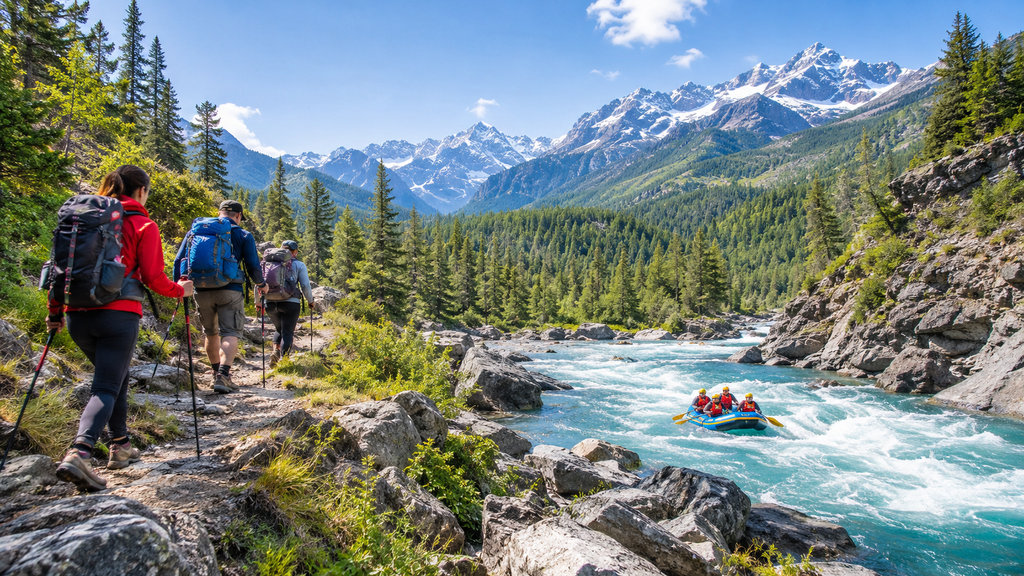
Adventure sports can change the way you experience a destination. Instead of simply looking at landscapes, historic sites, or beaches, you become part of the environment through activities such as rafting, hiking, diving, paragliding, canyoning, surfing, mountain biking, or rock climbing.
The appeal of adventure sports is not limited to extreme thrills. Some activities are surprisingly accessible to beginners, while others demand specialist training, strong fitness, favorable weather, and professional supervision. The right choice depends on your experience, comfort level, physical ability, destination, season, and willingness to accept a certain level of risk.
This guide explains the major types of adventure sports, how to choose an activity, what to expect, how to prepare, and which considerations can make an adventure more enjoyable and responsible. The goal is not simply to find the most extreme experience, but to find an activity that genuinely fits the traveler and the destination.
What Are Adventure Sports?
Adventure sports are physically active recreational activities that involve exploration, outdoor environments, skill, excitement, or a controlled element of risk. They can take place on mountains, rivers, oceans, forests, deserts, cliffs, beaches, and even in the air.
Some activities are accessible with little previous experience when conducted through a qualified operator. Others require formal instruction, technical equipment, or previous experience.
Common adventure sports include:
- Hiking and trekking
- Rock climbing
- Mountaineering
- Mountain biking
- Whitewater rafting
- Kayaking
- Surfing
- Scuba diving
- Snorkeling
- Canyoning
- Zip lining
- Paragliding
- Skydiving
- Bungee jumping
- Skiing and snowboarding
- Horseback riding
- Desert activities
- Caving
The important distinction is that adventure does not always mean extreme. A guided coastal hike can be an adventure just as much as a high altitude climb. The best activity is the one that matches your abilities and gives you a memorable experience without creating unnecessary risk.
Major Types of Adventure Sports
Land Based Adventure Sports
Land based activities are often the easiest place for travelers to begin. Hiking, trekking, mountain biking, rock climbing, canyoning, caving, and horseback riding offer different levels of difficulty and can often be adapted to individual abilities.
Hiking is particularly accessible because it can range from a short nature walk to a demanding multi day trek. Mountain biking provides more speed and technical challenge, while rock climbing requires greater attention to equipment, technique, and supervision.
For travelers visiting mountainous destinations, trekking can also be a practical way to see landscapes that are inaccessible by ordinary vehicles.
Water Adventure Sports
Water adventure sports are popular in coastal, river, and island destinations. Surfing, kayaking, whitewater rafting, scuba diving, snorkeling, paddleboarding, and canyoning each provide a different experience.
Water conditions matter considerably. A calm coastline may be suitable for beginners, while strong currents, waves, cold temperatures, or rapidly changing river conditions can increase difficulty.
Travelers should always understand local conditions before entering the water. A qualified instructor or licensed operator can explain the conditions, equipment, and appropriate experience level.
Air Adventure Sports
Air based activities usually create a stronger sense of exposure and require particularly careful attention to operator standards.
Paragliding, skydiving, zip lining, and certain forms of aerial sightseeing can provide spectacular views while introducing different levels of physical and psychological challenge.
Beginners should pay close attention to briefing procedures, equipment checks, weather requirements, age restrictions, and operator qualifications. Travelers should never feel pressured to participate simply because an activity appears popular.
Winter Adventure Sports
Snow destinations offer another major category of adventure sports. Skiing, snowboarding, snowshoeing, ice climbing, and certain forms of mountaineering can combine physical activity with dramatic mountain scenery.
Winter activities require additional preparation because cold exposure, snow conditions, altitude, visibility, and rapidly changing weather can influence safety. Beginners are usually better served by taking lessons rather than attempting technically demanding terrain without instruction.
How to Choose the Right Adventure Sport
The most exciting activity is not necessarily the right one for every traveler. Start by considering your physical condition, previous experience, comfort with heights or water, available time, destination conditions, and the level of professional support available.
A first time participant may prefer an introductory rafting trip, guided hike, beginner surfing lesson, snorkeling excursion, or zip line experience. Someone with technical experience may be interested in climbing, advanced diving, mountaineering, or more demanding trekking.
It is also worth considering the rest of your itinerary. An activity that requires several hours of physical effort may not be ideal immediately before a long flight or another demanding excursion.
Consider Your Fitness Level
Fitness requirements vary enormously. A short guided hike may require ordinary mobility, while a high altitude trek can demand significant endurance and preparation.
Read the activity description carefully and ask the operator about walking time, elevation, swimming requirements, carrying equipment, water temperature, and expected physical effort.
Do not underestimate an activity simply because it is marketed toward tourists.
Think About Your Comfort Zone
Adventure travel should challenge you without making you feel forced into something you do not want to do.
Someone comfortable with heights may enjoy paragliding but dislike diving. Another traveler may love whitewater rafting but feel uncomfortable on a cliff. There is no universal definition of an adventurous traveler.
Understanding your own limits is part of good travel planning.
Adventure Sports for Different Types of Travelers
| Traveler | Suitable starting points | Important consideration |
|---|---|---|
| Beginners | Guided hiking, snorkeling, rafting, zip lining | Choose qualified instruction |
| Couples | Kayaking, diving, hiking, rafting | Match both travelers’ ability |
| Solo travelers | Guided trekking, surfing lessons, diving | Choose reputable operators |
| Families | Nature hikes, gentle kayaking, zip lining | Check age and safety requirements |
| Experienced travelers | Climbing, advanced diving, mountaineering | Verify technical conditions |
| Winter travelers | Skiing lessons, snowshoeing | Prepare for cold and weather changes |
Families should pay particular attention to minimum ages, swimming requirements, equipment sizes, supervision, and emergency procedures. Some activities may look family friendly but have restrictions that are easy to overlook when booking online.
Solo travelers can enjoy adventure sports just as much as groups, although guided activities can offer additional support and social interaction.
How to Prepare for an Adventure Activity
Preparation often determines whether an adventure becomes a memorable highlight or an avoidable problem.
Before booking, research the activity itself rather than relying only on attractive photographs. Find out how long it lasts, what equipment is supplied, what you need to bring, whether previous experience is required, and what happens if weather conditions make the activity unsafe.
Wear appropriate clothing and footwear. For water activities, understand whether you need swimwear, a towel, water shoes, or protective clothing. For hiking and climbing, footwear and weather protection become particularly important.
Keep your travel documents, emergency contacts, medication where appropriate, and essential personal items secure. Do not carry valuables unnecessarily during activities where they may be lost or damaged.
Ask the Operator the Right Questions
Before confirming a booking, ask:
- Is the activity suitable for beginners?
- What qualifications or experience do the guides have?
- What safety equipment is provided?
- What should participants bring?
- What happens if weather conditions become unsafe?
- Are there age, weight, health, or swimming requirements?
- How many participants are normally in a group?
- Is insurance included or recommended separately?
- Where does the activity start and finish?
Clear answers are a useful sign that an operator takes preparation and safety seriously.
Choosing a Responsible Adventure Operator
A reputable operator should provide clear information before you arrive. Look for transparent safety procedures, qualified guides where relevant, suitable equipment, realistic descriptions of difficulty, and clear booking conditions.
Do not select an operator only because it has the lowest price. Cost can matter, particularly for budget travelers, but the quality of equipment, guide experience, group size, insurance arrangements, and safety procedures can be more important.
Travelers should also check current local regulations when an activity involves protected areas, marine environments, national parks, or specialist permits.
For current rules, always verify information with the relevant official tourism authority, government agency, park authority, or licensed activity provider.
Best Time for Adventure Sports
The best time depends entirely on the activity and destination.
Surfing depends on waves and seasonal conditions. Rafting depends on river levels. Diving and snorkeling can be influenced by visibility, water temperature, currents, and marine conditions. Mountain activities depend heavily on snow, weather, altitude, and trail accessibility.
Rather than asking for the single best month for adventure sports, research the conditions for your specific activity and destination.
Weather forecasts are useful shortly before an excursion, but they should not replace the operator’s assessment of local conditions. Professional providers may cancel or modify an activity when conditions become unsafe.
How Much Time Should You Allow?
Time requirements vary from a short introductory session to a full day or multi day expedition.
A beginner surfing lesson might occupy part of a day, while a guided trek can take several days. Diving may require additional time between certain types of dives, and high altitude activities may require gradual acclimatization.
When building an itinerary, leave some flexibility around adventure activities. Travel delays, weather changes, fatigue, and operator scheduling can affect the day.
It is usually better to enjoy one demanding activity properly than to schedule several intense experiences so closely together that the trip becomes exhausting.
Safety Tips Travelers Should Not Ignore
Adventure sports involve varying degrees of risk, and responsible preparation matters.
Follow the instructions given by qualified guides. Wear the equipment supplied for the activity and make sure it fits correctly. Do not participate while impaired by alcohol or recreational substances.
Tell the operator about relevant physical limitations or concerns before starting. Never hide information simply because you are worried about losing your booking.
Respect weather warnings, water conditions, trail closures, wildlife rules, and local regulations. A canceled activity may be disappointing, but safety decisions should take priority over completing an itinerary.
Travel insurance can also be important because ordinary policies do not necessarily cover every adventure activity. Check the policy wording before your trip rather than assuming that all sports are included.
Budgeting for Adventure Sports
The cost of adventure sports varies according to destination, activity, equipment, duration, guide requirements, transportation, and season.
Some activities require little beyond suitable clothing and footwear. Others involve specialist equipment, professional instruction, permits, transfers, or certification.
When comparing prices, check exactly what is included. A cheaper advertised rate may exclude transportation, equipment rental, park fees, photographs, meals, or required instruction.
For budget travelers, free or low cost activities such as hiking, coastal walking, swimming in permitted areas, and self guided nature exploration can provide adventure without the expense of specialist excursions.
Common Mistakes to Avoid
One common mistake is choosing an activity because it looks impressive online without understanding its actual physical requirements. Social media often shows the most dramatic moments while leaving out preparation, waiting time, weather limitations, and technical instruction.
Another mistake is packing inappropriate clothing. Comfortable everyday travel clothing is not always suitable for a mountain trail, cold water, wet canyon, or snowy environment.
Travelers also sometimes book too many activities. Adventure experiences can be physically demanding, and insufficient recovery time can affect the rest of a trip.
Finally, avoid ignoring local advice. Conditions can change quickly, especially in mountains, rivers, oceans, deserts, and winter environments.
Adventure Sports Compared by Experience Level
| Experience level | Examples | Planning needs |
|---|---|---|
| Beginner | Guided hiking, snorkeling, introductory kayaking | Basic preparation and briefing |
| Intermediate | Surfing, rafting, mountain biking, longer trekking | Better fitness and activity specific preparation |
| Advanced | Technical climbing, advanced diving, mountaineering | Specialist skills and equipment |
| Highly technical | Expedition climbing, extreme mountaineering | Extensive experience and professional planning |
These categories are general rather than universal. Difficulty changes according to location, weather, terrain, equipment, and the individual traveler.
Who Should Consider Adventure Sports?
Adventure sports can suit travelers who want more active and immersive experiences. They are particularly appealing to people who enjoy nature, physical challenges, exploration, and learning new skills.
They can also be excellent additions to traditional vacations. A traveler might combine a city break with a nearby hiking excursion, add snorkeling to a beach holiday, or include a guided rafting trip during a mountain destination visit.
However, not every activity suits every person. Travelers with limited mobility, certain medical considerations, strong fear of heights, or discomfort with water may need to choose alternatives or obtain professional medical advice where appropriate.
The objective is not to prove how adventurous you are. It is to choose an experience that fits your circumstances.
Is Adventure Travel Worth It?
For many travelers, adventure sports become some of the most memorable parts of a trip because they create a direct connection with the landscape. Instead of simply observing a mountain, river, forest, or coastline, you interact with it through movement and activity.
The experience is particularly valuable when the activity complements the destination. Kayaking through a coastal landscape, trekking through a mountain region, or diving in a suitable marine environment can provide a different understanding of the place.
The key is responsible selection. An adventure becomes far more enjoyable when you understand the difficulty, prepare properly, use appropriate equipment, and choose a trustworthy provider.
Frequently Asked Questions
What are the most popular adventure sports?
Popular adventure sports include hiking, trekking, rafting, kayaking, surfing, scuba diving, mountain biking, rock climbing, paragliding, zip lining, skiing, snowboarding, and skydiving. Popularity varies considerably by destination and season.
Which adventure sports are suitable for beginners?
Guided hiking, introductory kayaking, snorkeling, beginner surfing lessons, gentle rafting, and zip lining can be suitable starting points in appropriate conditions. Travelers should always check the operator’s experience requirements before booking.
What should I wear for adventure sports?
Clothing depends on the activity and environment. Comfortable athletic clothing, suitable footwear, weather protection, swimwear, or thermal layers may be required. Follow the operator’s specific equipment and clothing instructions.
Are adventure sports safe?
No adventure activity is completely risk free, but many can be conducted responsibly with qualified operators, appropriate equipment, clear safety procedures, and suitable conditions. Travelers should understand the risks before participating.
Can families participate in adventure sports?
Yes, many adventure activities can be suitable for families, but age, height, weight, swimming ability, and supervision requirements vary. Parents should confirm the rules directly with the activity provider.
Do adventure sports require travel insurance?
Insurance requirements depend on the activity and policy. Some standard travel insurance policies exclude certain sports or higher risk activities. Read the policy carefully before participating.
What is the best adventure sport for solo travelers?
Guided trekking, surfing lessons, diving courses, kayaking excursions, and organized outdoor activities can work well for solo travelers. Group activities can also provide social opportunities while offering professional supervision.
How can I choose a good adventure sports company?
Look for clear safety information, qualified guides where appropriate, suitable equipment, transparent booking conditions, realistic descriptions of difficulty, and current licensing or regulatory information when required. Do not choose solely on price.
Suggested Internal Link
Best destinations to travel to
Authoritative External Source Opportunities
National Park Service: Useful for official information about outdoor recreation, protected areas, trails, regulations, and safety in United States national parks.
U.S. Travel Insurance information: Useful for explaining why travelers should check whether their insurance covers particular adventure activities.
Official tourism authorities: Destination specific tourism boards can provide current information about seasonal conditions, local activities, regulations, and transportation.
Local licensed activity providers: Appropriate for current operating conditions, equipment requirements, participant restrictions, booking rules, and weather related changes.
Conclusion
Adventure sports offer travelers a way to experience destinations actively rather than simply observing them. From hiking and kayaking to surfing, rafting, diving, climbing, and aerial activities, there are options for a wide range of abilities and interests. The best experience depends on choosing an activity that genuinely matches your fitness, confidence, available time, and destination conditions.
These experiences are especially suitable for travelers who enjoy nature, physical activity, exploration, and learning new skills, but they are not automatically appropriate for everyone. Beginners should favor activities with professional instruction and clear safety procedures, while experienced participants should still respect local conditions and technical requirements. Families, couples, and solo travelers can all find suitable options when they pay attention to age restrictions, equipment, weather, and operator standards.
Ultimately, adventure sports are most rewarding when excitement is balanced with preparation and good judgment. Rather than chasing the most extreme activity, choose an experience that allows you to appreciate the destination while remaining within your abilities. Research the conditions, select a reputable provider, prepare properly, and leave enough flexibility in your itinerary to enjoy the experience without unnecessary pressure.