
Introduction
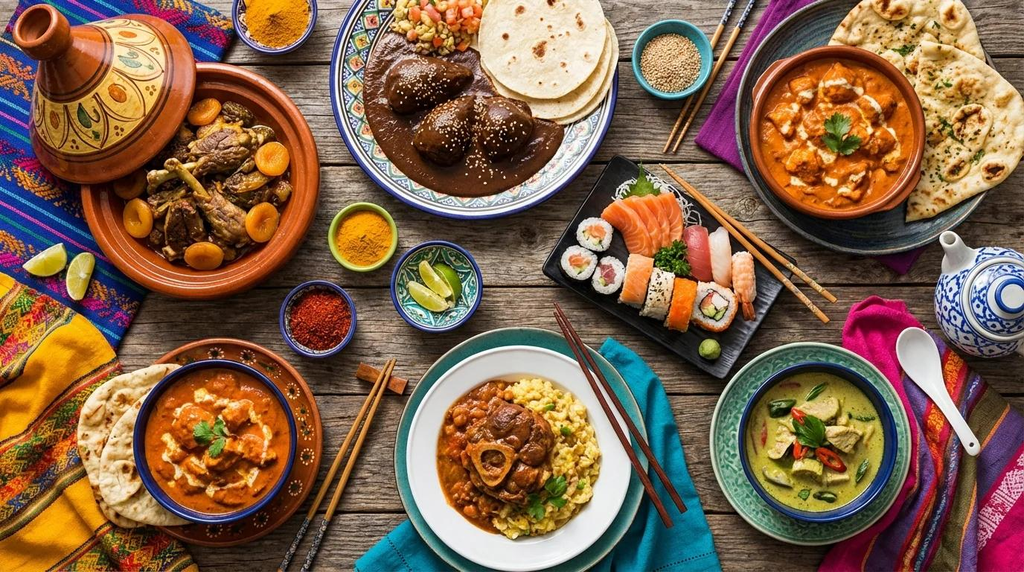
Food is one of the most rewarding ways to understand a destination. A country’s cooking traditions can reveal its history, geography, agricultural resources, trade connections, and everyday way of life. From aromatic Asian noodle dishes to Mediterranean grilled seafood and Latin American street food, the world’s best food genres offer countless ways to experience different cultures.
For travelers, exploring international cuisine is about more than choosing a restaurant or ordering a popular dish. It means discovering how ingredients are used, why certain meals are important to local communities, and which regional specialties deserve a place on a travel itinerary. Some cuisines appeal to people who enjoy bold spices, while others focus on fresh ingredients, slow cooking, comforting meals, or delicate flavors.
This guide explores major food genres around the world, explains their distinctive characteristics, and shares practical advice for discovering authentic culinary experiences. Whether you are planning an international vacation, researching food destinations, or simply looking for new dishes to try, understanding these culinary traditions can help you make more informed and enjoyable choices.
What Are Food Genres?
Food genres are broad categories of cooking that share recognizable ingredients, preparation methods, flavor profiles, cultural influences, or culinary traditions. The term can refer to national cuisines, regional cooking styles, or approaches such as street food, vegetarian cooking, and fusion cuisine.
For example, Japanese cuisine is associated with dishes such as sushi, ramen, and tempura, while Mexican cuisine includes tacos, tamales, moles, and many regional specialties. Mediterranean cooking often emphasizes vegetables, olive oil, legumes, herbs, grains, and seafood.
These categories are useful starting points, but they are not strict boundaries. Countries contain many regional cuisines, and neighboring cultures frequently influence one another. A food genre should therefore be understood as an introduction to a living culinary tradition rather than a complete description of everything people eat in a particular place.
The Best Food Genres Around the World
Asian Cuisine: Diverse Flavors and Regional Traditions
Asian cuisine includes an enormous range of culinary traditions, from the delicate presentation of Japanese dishes to the complex spices of Indian cooking. Rice, noodles, seafood, vegetables, fermented ingredients, herbs, and sauces feature prominently in many Asian food cultures, although ingredients and preparation methods vary considerably by region.
Japanese cuisine often emphasizes seasonality, texture, and careful preparation. Sushi, ramen, tempura, soba noodles, and grilled dishes provide different introductions to its culinary traditions. Travelers interested in Japanese food can explore everything from casual noodle shops to traditional multi-course meals.
Chinese cuisine encompasses many regional styles. Sichuan cooking is known for distinctive chili and Sichuan pepper flavors, Cantonese cuisine is associated with dim sum and numerous steamed dishes, and other regional traditions feature different noodle preparations, dumplings, roasted meats, and vegetable dishes.
Indian cuisine offers remarkable variety across regions and communities. Curries, biryani, dosa, dal, tandoori dishes, and vegetarian thalis illustrate different approaches to spices, grains, legumes, dairy, and vegetables. The flavor of a dish often depends on its regional ingredients and the way spices are toasted, ground, or combined.
Thai cuisine frequently balances sweet, sour, salty, spicy, and savory elements. Pad Thai, tom yum, green curry, and som tam are familiar examples, but local markets and regional restaurants reveal much more than the dishes commonly found on international menus.
Vietnamese cuisine often combines fresh herbs, noodles, broths, vegetables, and contrasting textures. Pho, banh mi, and fresh spring rolls are popular introductions to a culinary tradition shaped by regional ingredients and historical influences.
Asian cuisine is particularly appealing to travelers who enjoy variety and want to compare dishes across regions. However, spice levels, fish sauces, fermented ingredients, peanuts, and other potential allergens deserve attention when ordering unfamiliar meals.
Mediterranean Cuisine: Fresh Ingredients and Balanced Meals
Mediterranean cuisine is a broad collection of food traditions found around the Mediterranean Sea. It includes cooking from countries such as Greece, Italy, Türkiye, Spain, and Lebanon, among others. Although these traditions share certain ingredients, they should not be treated as one uniform cuisine.
Olive oil, vegetables, legumes, bread, grains, seafood, herbs, and seasonal produce appear in many Mediterranean food cultures. Meat, cheese, yogurt, and other dairy products also play important roles in numerous regional dishes.
Italian cuisine is known for pasta, risotto, pizza, regional cheeses, and preparations that highlight ingredients such as tomatoes, olive oil, seafood, and fresh herbs. The food of coastal southern Italy differs from the richer rice and meat dishes associated with parts of the north.
Greek cuisine features dishes such as grilled souvlaki, Greek salad, moussaka, and spanakopita. Yogurt, olives, feta cheese, vegetables, and herbs are common ingredients in many meals.
Spanish cuisine offers tapas, paella, tortilla española, and regional seafood specialties. Tapas can be a useful way for travelers to sample several dishes in one meal, while regional rice dishes and traditional stews provide a different perspective on Spanish cooking.
Turkish cuisine brings together grilled meats, vegetable dishes, breads, soups, mezes, and sweets such as baklava. Breakfast traditions can be especially varied, with bread, cheeses, olives, eggs, and other small dishes served together.
For culinary travelers, Mediterranean food is well suited to leisurely meals, market visits, and sampling several small plates. It can also offer appealing choices for vegetarians, although individual dishes may contain meat stock, cheese, or other ingredients that are not immediately obvious.
Middle Eastern Cuisine: Aromatic Spices and Shared Dishes
Middle Eastern cuisine encompasses many food traditions across Western Asia and nearby regions. Common ingredients include chickpeas, lentils, rice, flatbreads, yogurt, sesame, herbs, grilled meats, and spice blends.
Popular dishes include hummus, falafel, shawarma, tabbouleh, kebabs, and various rice preparations. Their recipes differ by country, community, and household, so the same dish name can describe noticeably different versions.
Lebanese cooking is often associated with mezze, salads, grilled foods, and dishes made with chickpeas and herbs. Persian cuisine is known for rice preparations, fragrant herbs, stews, and combinations of sweet and savory flavors. Other regional traditions feature distinctive breads, grilled meats, stuffed vegetables, and slow-cooked dishes.
Shared dining is an important feature of many meals in the region. Instead of ordering one large plate per person, diners may share several small dishes, breads, salads, and dips.
Travelers can explore this food genre through neighborhood restaurants, traditional bakeries, market stalls, and family-style dining establishments. When visiting unfamiliar places, ask about spice blends, meat ingredients, and preparation methods rather than assuming a dish is vegetarian simply because it contains vegetables or legumes.
Latin American Cuisine: Corn, Chilies, and Regional Identity
Latin American cuisine includes diverse food traditions shaped by Indigenous ingredients, European colonization, African heritage, migration, and regional agricultural practices. Corn, beans, potatoes, rice, chilies, plantains, and tropical fruits are important in many culinary traditions, although their use varies widely.
Mexican cuisine features tacos, tamales, enchiladas, pozole, and regional mole sauces. Corn tortillas and numerous chili varieties are central to many dishes. Street food can offer a practical way to explore local flavors, but visitors should pay attention to food handling and how ingredients are stored and prepared.
Peruvian cuisine combines Indigenous ingredients with influences from Spanish, African, Chinese, and Japanese culinary traditions. Ceviche, lomo saltado, and dishes featuring potatoes or corn are well-known examples. Seafood specialties are particularly associated with coastal areas, while Andean regions offer different ingredients and preparations.
Brazilian cuisine includes feijoada, pão de queijo, grilled meats, and a wide variety of regional dishes. Rice, beans, cassava, tropical fruits, and seafood appear in different combinations throughout the country.
Argentinian cuisine is widely associated with grilled beef and asado, while empanadas, regional pastries, and other traditional dishes also contribute to its food culture.
For travelers, Latin American food is especially rewarding when explored beyond internationally familiar restaurant menus. Regional markets, bakeries, casual lunch counters, and local festivals can introduce dishes that reflect the agricultural and cultural identity of a particular destination.
European Cuisine: Comfort Food and Culinary Heritage
Europe contains a wide range of cooking traditions, from rustic countryside meals to elaborate regional specialties. Bread, cheese, potatoes, grains, seafood, meat, vegetables, and preserved foods appear throughout the continent, but local techniques and flavor combinations differ significantly.
French cuisine is known for sauces, pastries, breads, cheeses, and techniques used in both traditional and contemporary cooking. Regional dishes range from vegetable stews to seafood preparations and rich meat-based recipes.
German cuisine includes breads, sausages, pretzels, potato dishes, roasted meats, and regional specialties. Local bakeries can be particularly interesting stops for travelers who want to sample traditional breads and pastries.
Greek and Italian cuisines also form part of Europe’s culinary landscape, while Portuguese cooking offers grilled seafood, hearty soups, and pastries such as pastéis de nata.
Eastern European cuisines include dumplings, soups, fermented vegetables, filled pastries, and substantial grain or potato dishes. Polish pierogi, Hungarian goulash, and Ukrainian borscht illustrate the diversity of regional food traditions, although recipes and cultural associations vary.
European cuisine can appeal to travelers who enjoy bakery visits, regional cheeses, traditional restaurants, food markets, and long meals built around local specialties. The most useful approach is to investigate what a particular town or region is known for rather than expecting a country’s cuisine to be identical everywhere.
African Cuisine: Rich Staples and Distinctive Cooking Methods
African cuisine encompasses a broad range of regional traditions across North Africa, West Africa, East Africa, Central Africa, and Southern Africa. Staples and cooking methods vary according to climate, agriculture, trade, and cultural history.
North African cuisine often features couscous, tagines, legumes, flatbreads, preserved ingredients, and aromatic spice blends. Moroccan cooking, for example, includes dishes that combine vegetables, meats, dried fruit, and spices in varied ways.
West African cuisine includes jollof rice, groundnut stews, dishes made with cassava or yam, and preparations featuring plantains. Recipes differ across countries and communities, and regional debates over particular dishes are part of their cultural significance.
East African cuisine includes injera and stews in Ethiopian and Eritrean food traditions, as well as ugali, grilled meats, and other regional specialties elsewhere in the region. Indian Ocean trade and migration have also influenced some coastal food traditions.
Southern African cuisine includes grilled meats, maize-based staples, stews, and regional dishes shaped by diverse communities and histories.
Exploring African food can help travelers discover cuisines that receive less attention in many international restaurant scenes. Local eateries, markets, and food-focused tours can provide useful introductions, especially when guides explain unfamiliar ingredients and traditional ways of serving meals.
Caribbean Cuisine: Tropical Ingredients and Bold Flavor
Caribbean cuisine reflects a complex blend of Indigenous traditions, African heritage, European colonization, South Asian migration, and connections between neighboring islands. Seafood, rice, beans, cassava, plantains, tropical fruits, and spices appear in many regional dishes.
Jamaican cuisine is known for jerk seasoning and cooking, rice and peas, patties, and other dishes with distinctive seasoning. Jerk preparations commonly involve aromatic spices and chilies, although heat levels vary.
Trinidadian cuisine features dishes such as doubles, roti, and flavorful preparations influenced by African, Indian, and other culinary traditions. Street food can be a convenient introduction to the island’s diverse food culture.
Cuban cuisine includes dishes featuring rice, beans, pork, plantains, and slow-cooked preparations. Across the wider Caribbean, seafood dishes, stews, fritters, and tropical desserts offer additional regional variety.
Food is an important part of many Caribbean travel experiences, but island cuisines are not interchangeable. Travelers should look for locally distinctive dishes rather than assuming that every destination serves the same foods.
Fresh juices, roadside food stalls, casual restaurants, and local markets can all be worthwhile stops. For outdoor food stalls, choose places with good turnover and careful handling, particularly in warm weather.
Fusion and Contemporary Cuisine: Where Traditions Meet
Fusion cuisine combines techniques, ingredients, or ideas from different culinary traditions. It can emerge from migration, cultural exchange, creative restaurant kitchens, or the everyday evolution of local food.
Examples include Korean-inspired tacos, sushi burritos, Indian-style pizzas, and dishes that combine Latin American ingredients with Asian cooking techniques. Some fusion food develops from long-standing cultural connections, while other examples are modern restaurant creations.
Contemporary cuisine also includes tasting menus, plant-based reinterpretations of traditional dishes, and creative presentations that emphasize seasonal ingredients.
This genre can be especially appealing to travelers who enjoy experimentation and want to discover how chefs adapt familiar flavors in new ways. However, a creative combination is not automatically better than a traditional preparation. Both approaches can offer valuable culinary experiences when handled thoughtfully.
For travelers interested in fusion food, look for restaurants that explain their culinary influences and use combinations with a clear purpose. Trying a modern interpretation alongside a traditional dish can make the differences more meaningful.
Comparing the Major Food Genres
The following comparison is a practical starting point rather than a ranking. Every genre includes considerable regional diversity, and the dishes available will depend on the destination.
| Food genre | Common characteristics | Dishes to explore | Good fit for |
|---|---|---|---|
| Asian | Diverse spices, noodles, rice, fermented ingredients, herbs | Ramen, dosa, pho, regional stir-fries | Curious eaters and flavor explorers |
| Mediterranean | Vegetables, grains, olive oil, herbs, seafood | Paella, mezze, pasta, grilled fish | Travelers who enjoy fresh ingredients and shared meals |
| Middle Eastern | Flatbreads, legumes, spice blends, grilled foods | Falafel, hummus, kebabs, rice dishes | Fans of dips, breads, and aromatic flavors |
| Latin American | Corn, beans, chilies, plantains, regional produce | Tacos, tamales, ceviche, empanadas | Street-food enthusiasts and regional food explorers |
| European | Breads, cheeses, pastries, meats, regional specialties | Pierogi, croissants, regional stews | Bakery lovers and traditional dining enthusiasts |
| African | Grain and root staples, stews, spices, regional sauces | Jollof rice, tagines, injera with stews | Travelers seeking diverse and less familiar cuisines |
| Caribbean | Tropical produce, seafood, spices, rice and beans | Jerk dishes, doubles, rice and peas | Visitors who enjoy seasoned foods and island specialties |
| Fusion | Cross-cultural ingredients and techniques | Korean-inspired tacos, creative regional dishes | Adventurous eaters and contemporary food fans |
How to Discover the Best Food Genres While Traveling
Knowing the major cuisines is only the first step. The way you explore them can make the difference between an ordinary restaurant meal and a memorable culinary experience.
Research regional specialties before arrival
Start by identifying foods associated with your destination’s particular region. A short list of three to five dishes is often more useful than a long list of restaurants. Research traditional ingredients, local meal customs, and any seasonal specialties that may be available during your visit.
Use official tourism websites, established culinary publications, and local food guides to build an initial understanding. Then verify restaurant details independently, because menus and opening hours can change.
Explore local markets and neighborhood restaurants
Markets provide opportunities to discover produce, breads, snacks, spices, and prepared foods that may be less visible in tourist-oriented dining areas. Neighborhood restaurants can also offer a clearer picture of everyday meals.
Look for busy establishments with clean food preparation areas and appropriate storage. A long queue alone does not prove quality, but steady customer turnover can be a useful sign when choosing prepared food.
Take a food tour or cooking class
A guided food tour can help visitors understand unfamiliar dishes, local ingredients, and regional customs. Cooking classes offer a different experience by explaining preparation methods and how ingredients work together.
Before booking, check the tour’s actual route, group size, duration, included food, dietary accommodations, and cancellation terms. A small-group experience may be more suitable for someone who wants time to ask questions, while independent travelers may prefer exploring at their own pace.
Match your food choices to your travel style
Families may prefer familiar dishes alongside new flavors, while solo travelers might find food markets and guided tastings convenient ways to sample several specialties. Couples may enjoy a mix of casual street food and a reservation at a restaurant known for regional cooking.
Budget-conscious travelers can consider bakeries, market lunches, local cafeterias, and lunch specials where available. Higher-priced restaurants are not necessarily more representative of local food culture than casual establishments.
Practical Tips for Trying Unfamiliar Food
Check ingredients and dietary requirements
Ask clear questions about allergens, cooking oils, sauces, broths, and cross-contact if you have a food allergy. Translation cards can help communicate important dietary requirements when traveling internationally.
Vegetarian, vegan, halal, and gluten-free options vary considerably by destination and restaurant. Do not rely on a dish’s name alone to determine whether it meets your needs.
Be thoughtful about food safety
Choose food from establishments that handle ingredients carefully and maintain appropriate temperatures. Eat thoroughly cooked food when local conditions or food-handling standards are uncertain, and be cautious with untreated water or ice where drinking-water safety is a concern.
Official travel health guidance should take priority when traveling to destinations with specific food or water precautions.
Budget for the full experience
Food costs include more than the menu price. Consider drinks, service charges, taxes, transport to a restaurant, tasting fees, and any minimum spending requirements. Street food can be inexpensive in some destinations, but this should never be assumed for every city or market.
Set aside some of your food budget for spontaneous discoveries while reserving enough for a meal or experience that genuinely interests you.
Respect local dining customs
Meal times, tipping practices, table manners, and expectations about sharing dishes differ around the world. A little research can prevent awkward situations and help visitors engage respectfully with local culture.
When taking photographs, avoid interrupting diners or staff. Ask permission before photographing people, private dining spaces, or food preparation areas where appropriate.
Common Mistakes to Avoid on a Culinary Trip
One frequent mistake is assuming that a national cuisine has only a few famous dishes. Internationally recognized meals are useful starting points, but regional specialties often provide a more complete understanding of a destination.
Another is choosing restaurants entirely by social media popularity. A photogenic dish may be enjoyable, but appearance alone cannot tell you whether a meal reflects local traditions, suits your budget, or meets your dietary needs.
Travelers can also make the mistake of scheduling too many food experiences in one day. Large meals, tasting tours, and cooking classes all take time, and a crowded itinerary can make dining feel like another task. Leave room for unplanned discoveries and rest between experiences.
Finally, do not assume that unfamiliar food must be extremely spicy, that street food is always unsafe, or that expensive restaurants are always more authentic. Evaluate each establishment on its own merits, ask questions, and choose experiences that match your comfort level.
Is Exploring Different Food Genres Worth It?
Exploring global cuisines is worthwhile for travelers who want to understand destinations through more than landmarks and sightseeing. Traditional dishes can reveal local ingredients, historical influences, family customs, and the way communities adapt their cooking to changing circumstances.
The experience does not have to involve expensive restaurants or complicated planning. A bakery visit, a local market lunch, a regional specialty, or a cooking class can all become meaningful parts of a trip. The most rewarding approach is to stay curious while making sensible choices about food safety, cost, and dietary requirements.
Ultimately, the best food genre is the one that fits your interests and gives you a reason to learn more. Start with a cuisine that appeals to you, explore a few regional dishes, and leave room to try something unexpected. That balance of preparation and discovery can turn everyday meals into an important part of the travel experience.
Frequently Asked Questions
What are the best food genres in the world?
Popular food genres include Asian, Mediterranean, Middle Eastern, Latin American, European, African, Caribbean, and fusion cuisine. Each offers distinctive ingredients and preparation methods. The right choice depends on your taste preferences, dietary needs, destination, and interest in regional food traditions.
Which cuisine is best for travelers who enjoy spicy food?
Many Thai, Indian, Sichuan Chinese, Mexican, and West African dishes feature chilies or bold spice blends. Heat levels vary by recipe and restaurant, so travelers should ask about spice intensity when ordering rather than assuming every dish in a cuisine is hot.
What are the easiest international foods to try for beginners?
Bread, dumplings, grilled dishes, noodles, rice bowls, vegetable stews, and familiar pastries can be approachable introductions. Ordering a small portion or sharing several dishes can help travelers explore unfamiliar flavors without committing to a large meal.
Which food genres offer vegetarian options?
Indian, Mediterranean, Middle Eastern, and many Asian cuisines include a wide range of vegetarian dishes. However, sauces, broths, fish products, and cooking methods can affect whether a meal is genuinely vegetarian. Confirm ingredients with the restaurant.
How can I find authentic local food while traveling?
Research regional specialties, visit established markets, explore neighborhood restaurants, and consider guided food tours. Local recommendations can be helpful, but check recent menus, operating details, hygiene practices, and whether the experience suits your budget and dietary needs.
Is street food safe for international travelers?
Street food can be an enjoyable way to explore local cooking, but safety depends on preparation, storage, water quality, and local conditions. Prefer vendors who handle food hygienically, cook food thoroughly, and maintain appropriate temperatures. Follow official destination-specific food safety guidance.
How can I explore international cuisine on a budget?
Try bakeries, market meals, local lunch specials, casual restaurants, and smaller portions of regional specialties. Research prices before ordering, account for taxes and service charges, and choose a few priority food experiences instead of spending heavily at every meal.
How do I choose which food genre to try first?
Start with the ingredients and flavors you already enjoy, then choose a cuisine with regional dishes that interest you. Consider the destination you are visiting, your dietary requirements, available budget, and willingness to try unfamiliar ingredients. There is no need to sample everything in one trip.
Suggested authoritative external sources
Use these sources to strengthen relevant cultural, food heritage, and travel safety claims. Link to specific pages that directly support the statements in your final WordPress article.
- UNESCO Intangible Cultural Heritage: Explore food traditions and cultural heritage. Useful for documented culinary practices and food-related traditions.
- UN Tourism: Explore tourism and cultural travel resources. Useful for broader context about tourism and cultural experiences.
- CDC Travelers’ Health: Review destination-specific travel health advice. Useful for food and water safety guidance for international travelers.
- U.S. Food and Drug Administration: Explore food safety and allergen information. Useful for general food safety and allergen information.