

International travel can be expensive enough without paying unnecessary fees every time you use your credit card. From hotels and flights to restaurants, transportation and everyday purchases, the card you carry abroad can have a noticeable effect on the total cost of your trip.
For many travelers, the best credit card for international travel is not necessarily the card offering the biggest welcome bonus. A better choice is usually a card that combines no foreign transaction fees, broad international acceptance, useful travel rewards and valuable travel protections. These features can save money while making payments easier when you are away from home.
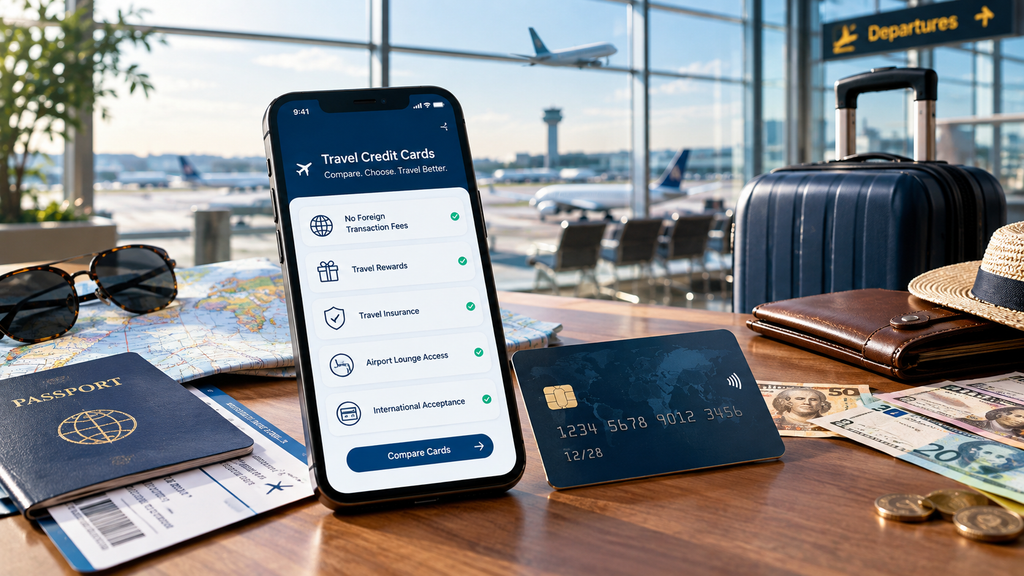
Current 2026 credit card guides consistently place no foreign transaction fees near the top of the list for international travelers. A typical foreign transaction fee can be around 3 percent, meaning a traveler spending $5,000 abroad could potentially pay about $150 simply for using an unsuitable card.
The right card ultimately depends on how often you travel, how much you spend, whether you value airport lounge access, and whether you want simple rewards or a more sophisticated points strategy.
What Makes a Credit Card Good for International Travel
The best international travel credit card should do more than earn points. It should help you avoid unnecessary costs and provide practical benefits when something goes wrong during your trip.
No foreign transaction fees
Foreign transaction fees should be one of the first things you check. These fees are charged by some credit card issuers when you make purchases outside the United States or sometimes when you purchase from an international merchant online.
A fee of around 3 percent may seem insignificant for one restaurant bill, but it can become expensive over an entire vacation. Hotels, flights, tours and shopping can quickly increase your overseas spending.
For that reason, a card with no foreign transaction fee is generally a much better choice for international travel. Major travel card comparisons from NerdWallet, CNBC Select and WalletHub all emphasize this feature when evaluating cards for overseas use.
International acceptance
A card can have excellent rewards and still be inconvenient if merchants in your destination do not accept it.
Visa and Mastercard generally have broad international acceptance. American Express can also be useful, particularly in locations where it is widely accepted, but travelers may encounter more limited acceptance in some destinations. Discover can have similar limitations depending on the country.
That is why experienced travelers often carry a second card from a different payment network. Having a backup can be particularly useful at smaller businesses, transportation providers or places where a particular network is not accepted.
Travel rewards
Travel rewards can make a credit card considerably more valuable if you use them strategically.
Depending on the card, you may earn points or miles on flights, hotels, restaurants, transportation and everyday purchases. Some programs allow rewards to be redeemed through a travel portal, while others let you transfer points to airline or hotel loyalty programs.
However, a high rewards rate should not automatically make a card your first choice. A card that earns impressive rewards but charges a foreign transaction fee may be less useful abroad than a card with slightly lower rewards and no foreign transaction fee.
Travel protections
Travel protection is another important consideration, especially for expensive international trips.
Depending on the card, benefits may include trip cancellation protection, trip interruption coverage, baggage protection, rental car coverage and reimbursement for certain travel delays.
Coverage varies considerably between cards, and travelers should read the actual benefit terms rather than assuming that every card provides comprehensive travel insurance. Current guidance also warns that credit card coverage may not replace standalone travel insurance, particularly when medical coverage is important.
Best Credit Cards for International Travel
There is no single card that is perfect for every traveler. A frequent luxury traveler may value lounge access and premium benefits, while an occasional traveler may prefer a low annual fee and simple rewards.
Several cards regularly appear among leading 2026 international travel recommendations.
Chase Sapphire Preferred
The Chase Sapphire Preferred Card is frequently positioned as an excellent all around travel card. WalletHub ranked it first in its 2026 international travel study, while other current comparisons also highlight it for its combination of rewards, travel benefits and no foreign transaction fees.
It can be particularly attractive for travelers who want a relatively moderate annual fee while still accessing a flexible travel rewards ecosystem.
Its value comes from the combination rather than a single feature. Travelers can earn rewards on eligible travel and dining purchases and potentially gain additional value through Chase travel redemption and transfer options.
The card may be a strong choice if you travel several times a year but do not need a premium luxury card.
Capital One Venture Rewards
The Capital One Venture Rewards Credit Card is another popular option for international travelers.
WalletHub currently lists it as its best overall international travel card, emphasizing its lack of foreign transaction fees and straightforward rewards structure.
One of its biggest advantages is simplicity. Travelers who do not want to manage numerous spending categories may appreciate earning a consistent rewards rate across eligible purchases.
Capital One also offers airline and hotel transfer opportunities, which can provide additional value for travelers who understand how travel points work.
This card can be particularly appealing to people who want a relatively straightforward approach to earning travel rewards without building a complicated collection of cards.
Capital One Venture X
For frequent travelers, the Capital One Venture X Rewards Credit Card moves into premium travel territory.
It is designed for travelers who can take advantage of benefits such as airport lounge access and other premium travel features. Forbes Advisor currently highlights the Venture X as a comprehensive option for travelers who want lounge access, travel benefits and no foreign transaction fees.
The important question is whether you will actually use the benefits enough to justify the annual cost.
A premium card can make sense for someone who travels frequently and values airport lounges, travel credits and other benefits. For someone taking one international vacation every few years, a lower cost card may provide better overall value.
Wells Fargo Autograph
Travelers looking for a card without an annual fee may want to consider the Wells Fargo Autograph Card.
WalletHub currently lists it among its leading options for travelers who want no annual fee, while CNBC Select also includes it among current international travel recommendations.
This type of card can be useful for someone who does not travel frequently enough to justify paying an annual fee.
The important point is to compare the rewards categories, foreign transaction policy and other benefits before applying because card terms can change.
Chase Sapphire Reserve
Travelers seeking premium travel protections and luxury benefits may prefer the Chase Sapphire Reserve.
Forbes Advisor currently identifies the card as a leading option for comprehensive travel insurance benefits. It also highlights the card’s premium travel rewards and travel credit structure.
The major consideration is cost. Premium cards can have substantially higher annual fees than midrange travel cards.
The card therefore makes the most sense when the traveler can realistically use enough of the included benefits to offset that cost.
How to Compare International Travel Credit Cards
Choosing the right card becomes easier when you compare the features that actually affect your trip.
| Feature | Why It Matters |
|---|---|
| Foreign transaction fee | Helps prevent additional charges on overseas purchases |
| Annual fee | Determines whether the card provides enough value for your travel habits |
| Rewards | Can reduce future travel costs when redeemed effectively |
| Acceptance | Makes it easier to pay at international merchants |
| Travel insurance | Can provide protection against certain travel problems |
| Airport lounges | Useful for frequent flyers and long airport connections |
| Transfer partners | Can increase the value of points for experienced travelers |
| Rental car protection | Potentially useful when hiring a vehicle abroad |
| Customer support | Important if your card is lost, stolen or blocked overseas |
Rather than choosing a card because it has the highest advertised bonus, consider how you will actually use it.
For example, someone who spends heavily on international hotels and restaurants may benefit from a rewards focused travel card. Someone who takes only one overseas vacation each year may prefer a card with no annual fee and no foreign transaction fee.
What to Expect When Using a Credit Card Abroad
Using a credit card internationally is usually straightforward, but there are a few details travelers should understand before departure.
First, notify your issuer if required by the card provider and make sure your contact information is current. You should also know how to freeze or lock your card through the issuer’s mobile application if it becomes lost.
It is also wise to carry a backup payment method. Even an excellent international credit card can be declined because of a technical problem, merchant restrictions or network availability.
Another important point is currency conversion.
When a terminal asks whether you want to pay in your home currency or the local currency, choosing the local currency is generally preferable. Dynamic currency conversion can involve an exchange rate or additional markup set by the merchant or payment provider.
Your card issuer will normally process the transaction using its applicable exchange rate and fee structure.
How Much Can Foreign Transaction Fees Cost
The financial impact becomes clearer when you look at the numbers.
Suppose you spend $3,000 during an international trip and your card charges a 3 percent foreign transaction fee.
That could add approximately $90 to your expenses.
If your overseas spending reaches $5,000, the same 3 percent fee could add approximately $150.
At $10,000 of international spending, the fee could reach approximately $300.
That is money that provides no travel reward or additional benefit. This is why avoiding foreign transaction fees is often more important than chasing a slightly higher rewards rate.
Current travel card research continues to identify foreign transaction fees as one of the biggest costs to watch when selecting a card for international use.
Is a Travel Credit Card Worth It
For people who travel internationally regularly, a dedicated travel credit card can be worth having.
The value comes from several areas. You can potentially avoid foreign transaction fees, earn rewards on purchases, receive travel protections and gain access to benefits that can make airports and hotels more convenient.
However, a travel credit card is not automatically worthwhile for everyone.
If you rarely travel, a card with a high annual fee may not provide enough value. Similarly, if you carry a balance from month to month, interest charges can easily outweigh the value of travel rewards.
The best strategy is to treat rewards as a bonus rather than a reason to spend money you would not otherwise spend.
Pros and Cons of Using a Travel Credit Card Abroad
Advantages
A strong international travel card can eliminate foreign transaction fees, provide rewards on travel purchases and potentially include useful protections.
It can also be safer than carrying large amounts of cash. If the physical card is lost or stolen, you can usually contact the issuer and take steps to protect the account.
Premium cards can provide additional benefits such as airport lounge access and travel credits, although these benefits only make sense when you actually use them.
Disadvantages
Annual fees can be significant, particularly for premium cards.
Travel rewards programs can also become complicated. Some cards provide the best value through specific transfer partners, while others offer straightforward statement credits or travel portal redemptions.
Travel insurance can also create a false sense of security if you do not understand the coverage limits and exclusions. Some situations may require standalone travel insurance instead.
Tips for Choosing the Right Card
Start by deciding what matters most to you.
If saving money is your priority, focus on no foreign transaction fees and a low or zero annual fee.
If earning travel rewards is your priority, compare rewards rates and redemption options rather than looking only at the welcome offer.
If you fly frequently, airport lounge access and travel credits may justify a premium annual fee.
If you frequently rent cars abroad, examine rental car protection carefully.
If travel emergencies concern you, review the actual insurance terms, including coverage limits, eligibility requirements and exclusions.
Finally, check the latest terms directly with the card issuer before applying. Annual fees, rewards, welcome offers and benefits can change, so information that was accurate several months ago may no longer be current.
How to Prepare Your Credit Card Before an International Trip
A few simple preparations can prevent unnecessary problems abroad.
Make sure your card will not expire during the trip. Check your available credit and confirm that your issuer has your current contact information.
Download the card issuer’s mobile application and make sure you know how to contact customer service internationally.
Take a backup card from a different payment network if possible. Keeping the backup separate from your primary wallet can provide an additional layer of security.
You should also carry some local currency for small businesses, transportation or situations where cards are unavailable.
Most importantly, understand the card’s fees before you leave. Knowing the foreign transaction policy, cash advance fee and currency conversion rules can prevent unpleasant surprises.
Frequently Asked Questions
What is the best credit card for international travel?
There is no universal winner because the best card depends on your spending and travel habits. Current 2026 comparisons frequently highlight cards such as Chase Sapphire Preferred, Capital One Venture Rewards, Capital One Venture X and Wells Fargo Autograph for different types of travelers.
Should I use a credit card with no foreign transaction fees abroad?
Yes. If you regularly travel internationally, a card with no foreign transaction fee can help you avoid unnecessary charges on purchases made overseas. A fee of around 3 percent can add up quickly during an expensive trip.
Is Visa or Mastercard better for international travel?
Both Visa and Mastercard generally have broad international acceptance. The specific card issuer, destination and merchant can still affect whether a transaction is accepted. Carrying a backup card is a sensible precaution.
Are travel credit cards worth the annual fee?
They can be worthwhile if you use enough rewards and benefits to exceed the annual cost. Frequent travelers may benefit from premium travel credits and lounge access, while occasional travelers may prefer a no annual fee card.
Does a travel credit card include travel insurance?
Some cards provide travel related protections, but coverage differs significantly. Depending on the card, benefits can include trip cancellation, trip delay, baggage protection or rental car coverage. Credit card protection should not automatically be considered a replacement for comprehensive standalone travel insurance.
Can I use my US credit card internationally?
Many US credit cards can be used internationally, provided the card network and merchant are supported. Before traveling, confirm that your card has no foreign transaction fee and check whether your destination has broad acceptance of its payment network.
Should I carry more than one card when traveling internationally?
Yes. A backup card can be extremely useful if your primary card is declined, lost, stolen or temporarily blocked. Using cards from different payment networks can provide additional flexibility.
Should I pay in local currency or US dollars abroad?
When a payment terminal gives you the choice, paying in the local currency is generally preferable to accepting dynamic currency conversion. This allows your card network and issuer to handle the currency conversion rather than accepting a potentially less favorable conversion offered by the merchant.
Final Recommendation
The best credit card for international travel is usually the one that reduces unnecessary costs while matching the way you actually travel. For most travelers, no foreign transaction fees should be the starting point, followed by international acceptance, useful rewards and practical travel protections. Current 2026 comparisons consistently support this approach.
For a balanced travel rewards option, cards such as Chase Sapphire Preferred and Capital One Venture Rewards deserve consideration. Frequent travelers who can take advantage of premium benefits may find cards such as Capital One Venture X or Chase Sapphire Reserve more appealing. Travelers who want to avoid an annual fee can instead focus on cards such as Wells Fargo Autograph, provided its current terms fit their needs.
Before applying, compare the latest annual fee, foreign transaction policy, rewards structure, travel protections and redemption options directly with the issuer. A credit card should support your travel budget rather than encourage unnecessary spending. If you pay your balance in full and choose a card that fits your travel habits, the right international travel card can make overseas spending more convenient, rewarding and predictable.