

Travelers searching for the best destinations to travel to are usually looking for more than a list of famous places. They want to know where they should actually go, what makes each destination special, when to visit, what to do, how much planning is involved, and which places fit their travel style.
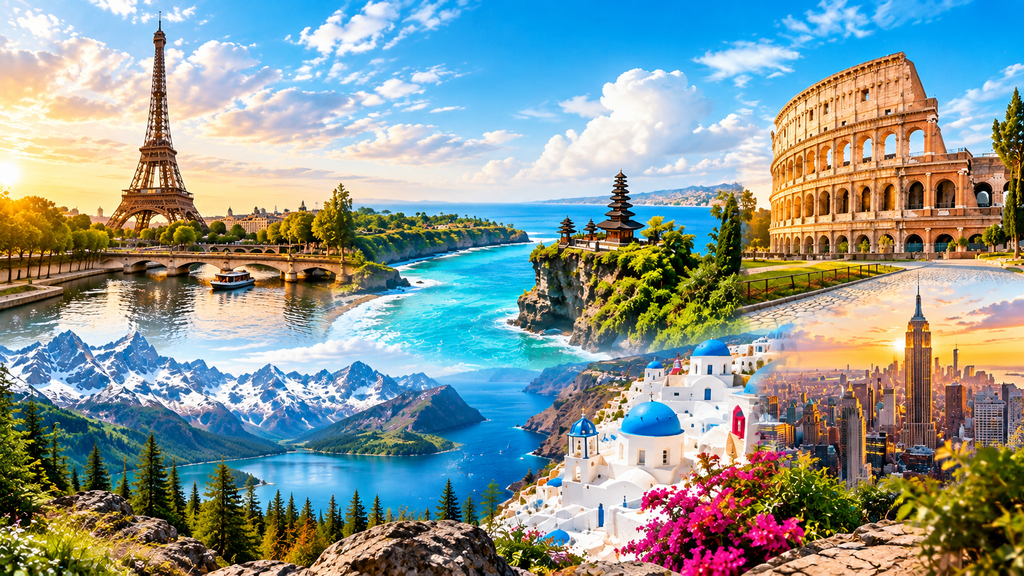
The world offers an enormous range of experiences, from historic European cities and tropical islands to national parks, cultural capitals, mountain retreats, and affordable destinations. The right choice depends on what you want from your trip. A family vacation may call for convenient transportation and attractions for different ages, while a solo traveler may prioritize walkability, culture, and flexibility.
This guide explores some of the best destinations to travel to for different types of travelers. Whether you are planning a relaxing beach holiday, an adventure filled escape, a cultural journey, or a memorable city break, these destinations offer plenty to discover.
What Makes a Destination Worth Traveling To
A great destination is not necessarily the most famous place on the internet. It is a place that offers meaningful experiences and suits the kind of trip you want to take.
Some destinations stand out because of their history and architecture. Others are known for beaches, food, outdoor adventures, wildlife, or nightlife. Accessibility, accommodation choices, transportation, seasonal weather, and overall travel costs also influence whether a destination works well for a particular traveler.
The best travel destinations usually provide enough variety to make a trip feel rewarding without requiring every day to be packed with activities. Having time to explore neighborhoods, try local food, visit important attractions, and simply enjoy the atmosphere can make a destination much more memorable.
Best Destinations to Travel To Around the World
Paris, France
Paris remains one of the world’s most recognizable destinations for travelers interested in art, architecture, food, history, and culture. The city combines famous landmarks with charming neighborhoods, cafés, museums, gardens, and riverside views.
Visitors can explore the Eiffel Tower, Louvre Museum, Notre Dame area, Montmartre, and the Seine. Beyond the major attractions, walking through different neighborhoods provides a better sense of the city’s character.
Spring and early autumn are particularly appealing for travelers who prefer comfortable sightseeing conditions. Summer can bring larger crowds, while winter offers a quieter atmosphere and seasonal charm.
Paris is especially suitable for couples, first time international travelers, culture lovers, and travelers who enjoy combining major attractions with relaxed city exploration.
Tokyo, Japan
Tokyo offers a fascinating combination of traditional Japanese culture and modern urban life. Ancient temples and peaceful gardens can exist only a short distance from busy shopping districts, restaurants, technology centers, and entertainment areas.
Popular areas include Shibuya, Shinjuku, Asakusa, Ginza, and Harajuku. Travelers can also explore Japanese cuisine, visit historic temples, experience traditional gardens, and take day trips beyond central Tokyo.
Japan’s efficient transportation system makes Tokyo a practical base for exploring other parts of the country. Travelers should still allow enough time to adjust to the city’s scale because Tokyo can feel overwhelming during a short visit.
Tokyo is a strong choice for food lovers, culture enthusiasts, photographers, solo travelers, and people interested in experiencing a destination that feels very different from their everyday environment.
Rome, Italy
Rome is one of the best destinations to travel to for travelers who want history, architecture, food, and an unmistakable sense of place. The city contains landmarks from different periods of history, often within walking distance of one another.
The Colosseum, Roman Forum, Pantheon, Trevi Fountain, and Vatican City are among the major attractions. However, some of Rome’s most enjoyable moments can happen between the famous landmarks, when travelers stop for Italian food, explore a small street, or spend time in a historic square.
Spring and autumn can be comfortable periods for sightseeing. Summer tends to be hotter and busier, particularly around major attractions.
Rome works particularly well for history lovers and travelers who want a destination where cultural sightseeing and food are naturally connected.
Bali, Indonesia
Bali attracts travelers with its beaches, temples, rice terraces, wellness experiences, local culture, and diverse landscapes. It can be relaxing or adventurous depending on how the trip is planned.
Ubud is associated with art, culture, greenery, and rice terraces, while coastal areas offer beaches, restaurants, resorts, and water based activities. Travelers can also visit temples, explore waterfalls, take cooking classes, or simply spend time enjoying Bali’s natural surroundings.
Weather varies throughout the year, so travelers should consider seasonal rainfall when planning outdoor activities. Popular areas can also become busy, making location choice important.
Bali is suitable for couples, solo travelers, wellness focused trips, beach holidays, and travelers looking for a combination of nature and culture.
New York City, United States
New York City is one of the best destinations to travel to for people who want an energetic city experience filled with attractions, food, entertainment, museums, shopping, and diverse neighborhoods.
Visitors can explore Central Park, Times Square, the Statue of Liberty, the Metropolitan Museum of Art, Broadway, and neighborhoods across Manhattan and the outer boroughs.
One of New York’s biggest strengths is its variety. A traveler can spend one morning visiting a museum, have lunch in a neighborhood known for a particular cuisine, walk through a park, and attend a show in the evening.
The city can be expensive, particularly for accommodation, so planning transportation, attractions, and meals in advance can help control costs.
New York is particularly appealing to first time visitors to the United States, families, solo travelers, food lovers, and people who enjoy fast paced city breaks.
Cape Town, South Africa
Cape Town combines dramatic scenery, coastal landscapes, history, outdoor activities, and a vibrant food and cultural scene. Table Mountain provides an iconic backdrop, while the coastline offers opportunities for scenic drives and exploration.
Travelers can visit the V&A Waterfront, explore the Cape Peninsula, spend time at beaches, and discover nearby wine regions. The surrounding landscape makes Cape Town especially appealing to travelers who want both city experiences and outdoor adventures.
A trip should be planned around weather conditions and the activities you want to enjoy. Some outdoor experiences are particularly dependent on suitable weather.
Cape Town is an excellent option for travelers interested in nature, photography, scenic drives, food, and adventure.
Vancouver, Canada
Vancouver offers a balance between urban attractions and outdoor recreation. The city is surrounded by mountains, water, parks, and opportunities for hiking and other outdoor activities.
Stanley Park is one of the city’s most popular green spaces, while nearby areas provide access to mountain scenery and coastal landscapes. Vancouver also has a diverse food culture and is a convenient starting point for exploring parts of British Columbia.
Summer is generally attractive for travelers who want to spend more time outdoors, while winter can appeal to visitors interested in mountain activities.
Vancouver is particularly suitable for families, nature lovers, photographers, and travelers who prefer destinations where a city and natural environment can be combined in one trip.
Santorini, Greece
Santorini is known for its dramatic volcanic landscape, whitewashed buildings, blue domes, and views over the Aegean Sea. It is especially popular with couples and travelers looking for beautiful scenery.
Oia is famous for its architecture and sunset views, while other parts of the island offer beaches, archaeological sites, wineries, and quieter villages.
Because Santorini is a popular destination, accommodation and major attractions can become busy during peak travel periods. Travelers looking for a calmer experience may prefer visiting outside the busiest part of summer.
Santorini is best suited to travelers who prioritize scenery, romantic escapes, photography, island culture, and relaxing coastal experiences.
Choosing the Right Destination for Your Travel Style
The best destination depends heavily on what you want to experience.
For beach vacations, destinations such as Bali and Santorini provide coastal scenery, although the type of beach experience differs considerably.
For history and culture, Rome and Paris offer extensive museums, architecture, monuments, and historic neighborhoods.
For city breaks, New York City and Tokyo provide an enormous variety of attractions, restaurants, shopping, entertainment, and cultural experiences.
For nature and adventure, Cape Town and Vancouver combine urban experiences with access to impressive natural landscapes.
For romantic travel, Santorini, Paris, and Bali are popular choices because of their scenery, atmosphere, and accommodation options.
For solo travel, Tokyo and Paris can offer extensive public transportation, cultural attractions, food experiences, and opportunities to explore independently.
Best Time to Visit Popular Travel Destinations
There is no single best month to travel everywhere. Weather, crowds, prices, and local events can change considerably throughout the year.
Spring is often attractive for travelers who want pleasant weather and sightseeing conditions in many destinations. Summer can be ideal for beach trips and outdoor activities but is also a popular travel season.
Autumn can provide comfortable temperatures in many cities while avoiding some of the busiest periods. Winter is ideal for travelers interested in snow destinations and seasonal experiences, while some warm weather destinations remain appealing during colder months elsewhere.
Before booking flights or accommodation, check the destination’s seasonal weather and consider whether your planned activities depend on specific conditions.
How to Plan a Trip to the Best Destinations
Start by deciding what type of experience you want. A destination should match your available time, budget, preferred activities, and travel style.
Next, research transportation. Some cities are easiest to explore using public transportation, while island destinations or rural areas may require cars, transfers, or organized tours.
Accommodation is another important consideration. Staying near major attractions can save transportation time, but neighborhoods slightly outside tourist centers may provide better value and a more local atmosphere.
Create a flexible itinerary rather than scheduling every hour. Keep important attractions and reservations organized, but leave space for unexpected discoveries and rest.
Travel insurance can also be useful, particularly for international trips where unexpected medical expenses, cancellations, or travel disruptions could create significant costs.
What to Expect When Visiting Popular Destinations
Popular destinations usually offer excellent tourist infrastructure, but popularity also creates challenges. Major attractions can become crowded, accommodation prices can rise during peak periods, and famous restaurants or activities may require reservations.
Travelers should also respect local customs and regulations. Dress expectations, transportation rules, tipping practices, opening hours, and cultural etiquette can differ considerably between countries.
Learning a few basic local phrases can also make everyday interactions easier and more enjoyable. Even simple greetings and expressions of thanks can show respect for the local culture.
Most importantly, do not assume that the most famous attraction represents the entire destination. Exploring local neighborhoods, markets, parks, restaurants, and less crowded areas can provide a more complete travel experience.
How Much Does Travel to These Destinations Cost?
Travel costs vary according to destination, season, accommodation type, transportation, and personal travel style.
Major cities such as Paris, Tokyo, and New York can require a larger daily budget, especially for accommodation in central areas. Destinations such as Bali can provide more choices across different price ranges, although luxury resorts and popular areas can still become expensive.
The easiest way to estimate a travel budget is to divide expenses into flights, accommodation, local transportation, food, attractions, shopping, insurance, and an emergency allowance.
Traveling during less busy periods, staying slightly outside central tourist areas, using public transportation, and choosing a combination of free and paid attractions can help reduce overall expenses.
Pros and Cons of Popular Travel Destinations
Popular destinations offer several advantages. They usually have extensive accommodation choices, established transportation networks, numerous attractions, and plenty of information available for travelers.
However, popularity can also mean crowds, higher prices, busy attractions, and a less peaceful experience. Some destinations require more advance planning than lesser known alternatives.
The important thing is to understand these tradeoffs before booking. A destination can still be an excellent match if its disadvantages are manageable for your particular travel style.
Is It Worth Visiting These Destinations?
The destinations discussed in this guide are worth considering because they offer different types of travel experiences rather than simply being famous names on a map.
Paris and Rome are compelling for travelers interested in history, architecture, art, and food. Tokyo provides a distinctive combination of tradition and modern life. Bali offers beaches, nature, culture, and relaxation, while Cape Town and Vancouver provide strong options for travelers who want access to impressive landscapes.
New York City delivers an extensive urban experience, while Santorini focuses more heavily on scenery, island atmosphere, and coastal relaxation.
Rather than choosing a destination because it appears on every travel list, consider whether its climate, costs, attractions, transportation, and overall atmosphere match what you actually want from your trip.
Frequently Asked Questions
What are the best destinations to travel to for a first international trip?
Paris, Rome, Tokyo, and Bali can all provide very different first international travel experiences. The right choice depends on your interests, budget, travel time, and comfort with different cultures and transportation systems.
What is the best destination for a beach vacation?
Bali and Santorini are two options discussed in this guide, but they offer different experiences. Bali provides a broader combination of beaches, culture, nature, and wellness, while Santorini is particularly known for volcanic scenery, island architecture, and coastal views.
Which destinations are good for solo travelers?
Tokyo and Paris can work well for solo travelers because they offer extensive attractions, restaurants, public transportation, and many ways to explore independently.
Which destination is best for families?
Vancouver and New York City can provide a wide range of family friendly attractions, parks, museums, entertainment, and activities. Families should consider accommodation location and transportation when planning their itinerary.
What is the best time to travel internationally?
There is no universal best time because climate and peak seasons vary by destination. Spring and autumn are often useful periods for sightseeing, while summer and winter may be better for specific activities.
How can I travel to popular destinations on a budget?
Compare travel dates, consider accommodation outside the most expensive tourist areas, use public transportation, book major attractions in advance when appropriate, and create a realistic daily spending limit.
How long should I spend in a major destination?
The ideal length depends on the destination. A major city may require several days to experience its main attractions, while a larger country or region could require weeks. Avoid packing too many destinations into a short trip.
How do I choose between several travel destinations?
Compare climate, cost, transportation, activities, travel time, accommodation, and the type of experience you want. The destination that best matches your priorities is usually more useful than simply choosing the most famous location.
Conclusion
The best destinations to travel to are not the same for every traveler. Paris and Rome appeal to people who love history and culture, Tokyo offers an immersive urban and cultural experience, and Bali provides a combination of beaches, nature, and relaxation. New York City brings together entertainment, food, museums, and city energy, while Vancouver and Cape Town offer memorable connections between urban life and nature.
When choosing your next destination, look beyond photographs and popularity. Consider the weather, cost, transportation, accommodation, attractions, local culture, and amount of time you have available. A destination becomes much more rewarding when it fits your personal travel priorities rather than simply following a generic list.
Whether you are planning your first international adventure or searching for somewhere new to add to your travel list, these destinations provide a useful starting point. Compare what each place offers, build an itinerary that leaves room for exploration, and choose the destination that gives you the kind of experience you genuinely want from your next trip.