
Introduction
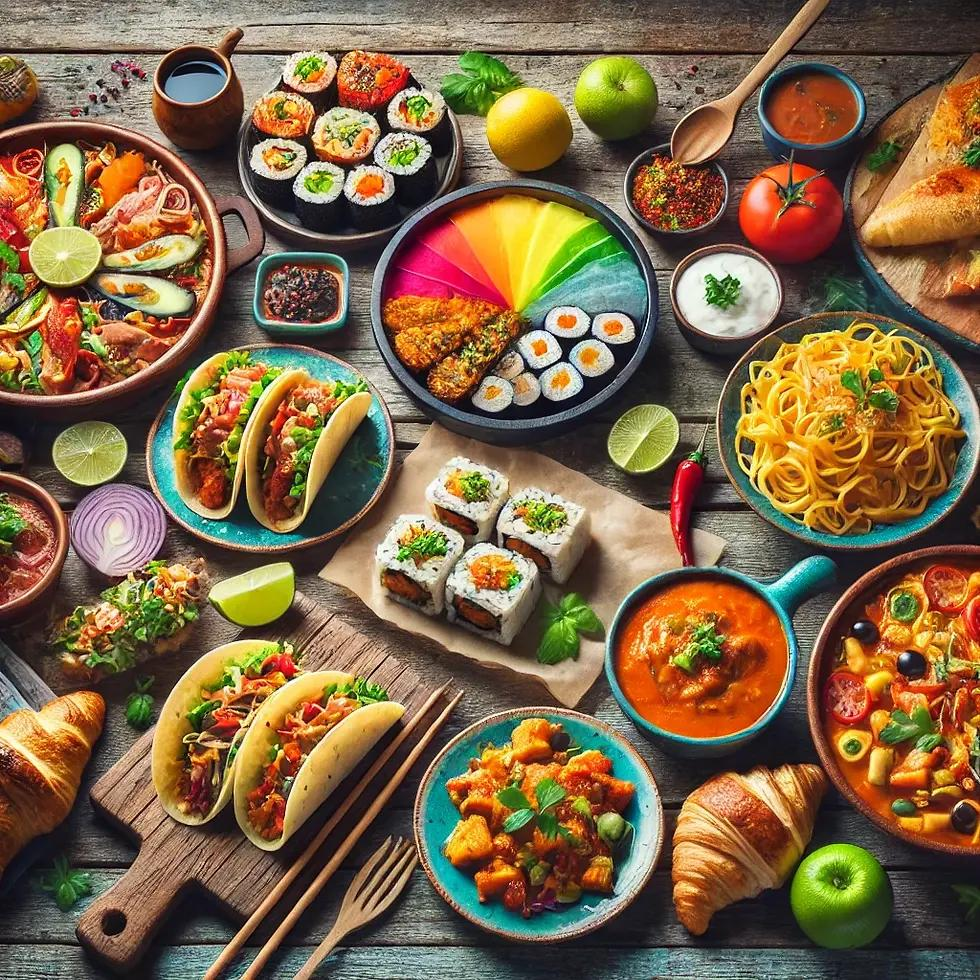
Food can reveal a side of a destination that travelers might otherwise overlook. A traditional breakfast at a neighborhood café, fresh noodles prepared at a busy market stall, or a family recipe served in a small restaurant can explain local customs, ingredients, and everyday life in ways that a sightseeing itinerary cannot.
Inter cuisine offers an interesting way to explore this connection between travel and food. In this guide, the term refers broadly to discovering different culinary traditions and understanding how they interact across cultures. That includes enjoying authentic regional dishes, comparing international cooking styles, and exploring fusion cuisine, where chefs combine ingredients or techniques from different traditions.
Whether you are organizing a trip around food, looking for new dining experiences, or simply curious about the world’s culinary diversity, understanding inter cuisine can help you make more thoughtful choices. From Asian street food and Mediterranean specialties to Latin American dishes and contemporary fusion restaurants, there are countless ways to discover a destination through its flavors.
What Is Inter Cuisine?
Inter cuisine can be understood as an approach to food that explores the connections between different culinary traditions. It may involve experiencing international dishes, learning how ingredients travel between cultures, or discovering restaurants that bring multiple cooking traditions together.
The expression is not a universally standardized culinary term. For that reason, it is helpful to distinguish it from more established terms such as international cuisine, multicultural dining, and fusion cuisine.
International cuisine generally refers to foods associated with different countries or regions. Fusion cuisine has a more specific meaning: it combines ingredients, methods, or ideas from two or more culinary traditions to create a particular dish or dining style.
For travelers, the broader idea of inter cuisine is valuable because it encourages curiosity. Rather than ordering familiar meals throughout a trip, visitors can explore local specialties, ask about unfamiliar ingredients, and learn how historical migration and cultural exchange have influenced regional food.
Inter Cuisine, International Cuisine, and Fusion Cuisine
Although these expressions overlap, they describe different aspects of the food experience.
| Culinary term | Meaning | Travel example |
|---|---|---|
| Inter cuisine | A broad exploration of connections between culinary traditions | Comparing food cultures across several destinations |
| International cuisine | Food associated with different countries and regions | Trying Thai, Italian, Mexican, and Japanese dishes |
| Fusion cuisine | Cooking that deliberately combines culinary traditions | Tacos featuring Korean inspired fillings |
| Regional cuisine | Food shaped by a particular region’s ingredients and traditions | Exploring southern Italian specialties |
| Multicultural dining | Access to food traditions from several cultural communities | Visiting a diverse urban food district |
Understanding these differences helps travelers decide what kind of experience they want. Someone seeking traditional cooking may prefer a family run regional restaurant, while a visitor interested in experimentation may enjoy a modern fusion menu.
Why Inter Cuisine Matters to Food Travelers
Food is closely connected to geography, history, agriculture, trade, migration, and family traditions. Exploring different cuisines therefore offers more than variety at the dinner table.
A dish can reveal which ingredients grow locally, how a community preserves food, and which outside influences have shaped its cooking. Coastal regions often have strong seafood traditions, while agricultural areas may feature grains, vegetables, dairy products, or locally raised meat. These patterns vary considerably, but they help travelers understand why neighboring regions can have distinct food identities.
Food Creates Cultural Connections
Sharing a meal can make a cultural encounter feel more personal. Conversations with restaurant owners, market vendors, cooking instructors, and local guides can introduce visitors to the stories behind everyday dishes.
Travelers do not need to speak the local language fluently to participate. Learning a few food related expressions, asking polite questions, and showing interest in local customs can make dining more rewarding.
Culinary Traditions Show How Cultures Interact
Many familiar dishes have histories shaped by movement between communities. Trade routes, migration, colonial histories, and the exchange of agricultural products have influenced food traditions around the world.
Modern fusion restaurants continue this process in new ways. However, a creative combination of ingredients is not automatically a faithful representation of either tradition. Travelers can appreciate innovation while recognizing the cultural history behind the dishes they encounter.
Food Can Make an Itinerary More Memorable
A culinary experience provides a different way to structure a trip. Instead of visiting attractions alone, travelers can plan a morning market visit, a regional cooking class, a neighborhood food walk, and a meal featuring local specialties.
This approach also encourages visitors to explore beyond major landmarks. Small bakeries, traditional cafés, family owned restaurants, and neighborhood markets can offer a more varied picture of a destination’s food culture.
Global Destinations for Exploring Inter Cuisine
The best destination depends on the food traditions you want to discover, your budget, dietary requirements, and preferred style of travel. The following places offer different ways to experience culinary diversity. They are examples rather than a ranking.
Tokyo, Japan
Tokyo provides opportunities to explore both carefully preserved culinary traditions and contemporary international dining. Visitors can look for ramen shops, sushi restaurants, tempura specialists, bakeries, department store food halls, and neighborhood eateries.
For travelers interested in culinary technique, a focused meal can be just as rewarding as an elaborate tasting menu. Observing how a restaurant specializes in one preparation also helps visitors appreciate the care involved in seemingly simple dishes.
Travel tip: Research restaurant booking rules and opening days before visiting a highly sought after restaurant. If you have dietary restrictions, explain them clearly in advance because ingredients such as fish stock, soy, and seafood extracts may appear in unexpected dishes.
Bangkok, Thailand
Bangkok offers a broad introduction to Thai food, from noodle dishes and fragrant curries to grilled meats, fresh fruit, and regional specialties. Street food areas and local markets can be especially interesting for travelers who want to sample several small dishes instead of committing to a single large meal.
Thai food also demonstrates how sour, salty, sweet, bitter, and spicy elements can work together. Individual dishes vary, so visitors should not assume every meal will be intensely hot.
Travel tip: Choose busy food stalls with a good turnover of customers and food that is freshly cooked or properly chilled. Ask about spice levels and ingredients before ordering.
Istanbul, Türkiye
Istanbul’s food culture reflects its position between Europe and Asia and its long history of trade and cultural exchange. Visitors can discover breads, grilled foods, meze, seafood, regional desserts, and Turkish breakfast traditions.
The city’s food scene makes it possible to explore traditional cooking alongside international influences. Markets, bakeries, and neighborhood restaurants can provide a useful introduction before travelers venture into more specialized regional dining.
Travel tip: Leave room in your schedule for a leisurely breakfast or tea break. Food experiences are not always about eating as many dishes as possible; the setting and customs around a meal are part of the experience.
Mexico City, Mexico
Mexico City offers a rich variety of Mexican food traditions, including tacos, tamales, regional stews, soups, market snacks, and dishes built around corn, beans, chilies, and herbs.
Travelers can compare different preparations of the same ingredient and learn how regional traditions influence flavor. Modern restaurants may reinterpret these ingredients, while traditional establishments often focus on established recipes and techniques.
Travel tip: When trying unfamiliar street food, look for clean preparation areas, freshly cooked food, and safe handling practices. If you have a sensitive stomach, introduce unfamiliar foods gradually and carry drinking water.
Singapore
Singapore is particularly relevant to travelers interested in multicultural food experiences. Chinese, Malay, Indian, and other culinary traditions contribute to a varied dining landscape, including hawker centers, neighborhood eateries, and contemporary restaurants.
A single visit can introduce travelers to dishes such as laksa, chicken rice, roti prata, and a variety of noodle preparations. The appeal lies not only in the number of choices but also in the distinct traditions represented.
Travel tip: Check ingredient details when needed, since shared cooking areas and sauces may complicate dietary requirements. Follow local rules in public eating areas and return trays or dispose of waste as directed.
Naples, Italy
Naples is a useful destination for travelers who want to understand how a regional food identity develops. Pizza is a major part of the city’s reputation, but local bakeries, pasta dishes, seafood, coffee, and traditional sweets also deserve attention.
A regional food experience differs from a generic international restaurant visit because the ingredients, techniques, and customs are connected to a particular place.
Travel tip: Avoid planning every meal around a famous restaurant. Leaving time for an ordinary neighborhood bakery or café can make a culinary itinerary feel less rushed and more varied.
How to Plan an Inter Cuisine Travel Experience
A food focused trip is easier to enjoy when it has a little structure without becoming overly rigid. The aim is to experience different traditions while leaving room for unexpected discoveries.
Choose a Culinary Theme
Start by identifying what interests you most. You might focus on street food, traditional home cooking, regional desserts, vegetarian food, seafood, international fusion, or a particular ingredient.
A theme makes research more manageable. For example, a traveler interested in noodles could compare regional preparations across several cities, while someone fascinated by baking might prioritize bread shops, pastry classes, and local markets.
If you are visiting multiple countries, consider choosing one or two culinary priorities for each destination rather than trying to sample everything.
Research Local Specialties
Before departure, identify dishes associated with the region and learn their basic ingredients. Look for official tourism websites, local culinary organizations, established food publications, and cooking schools that provide information about regional food.
Do not rely exclusively on viral restaurant videos. A popular social media location may be enjoyable, but it does not necessarily represent the wider food culture or offer the best introduction to local traditions.
Save a mixture of well known establishments and ordinary neighborhood options. This gives you flexibility when reservations are unavailable or your plans change.
Balance Planned Meals With Spontaneous Discoveries
Reservations can be useful for special dining experiences, cooking classes, or restaurants with limited seating. However, planning every meal in advance can leave little room for exploring markets or following a local recommendation.
A balanced itinerary might include one planned food experience each day, with the remaining meals flexible. Travelers with limited time can prioritize one signature dish, one market or food tour, and one restaurant that explores a different culinary tradition.
Book Cooking Classes and Food Tours Carefully
A cooking class can help travelers understand techniques that are difficult to appreciate from a menu alone. Food tours may provide context about local ingredients, cultural traditions, and neighborhood history.
Before booking, check the class language, duration, meeting point, cancellation policy, accessibility, group size, and whether ingredients or a meal are included. Travelers with allergies should contact the provider directly rather than assuming that substitutions will be available.
Look for experiences that explain the food’s cultural context instead of simply promising a large number of tastings.
Street Food, Local Restaurants, and Fusion Dining
Different dining settings offer different advantages. Choosing the right mix can make an inter cuisine experience more enjoyable.
Street Food and Markets
Markets and street food areas are useful for sampling smaller portions and observing everyday food culture. They may offer regional snacks, freshly prepared dishes, produce, spices, and ingredients that are unfamiliar to visitors.
The environment can be lively and informal, but comfort and food safety vary. Choose vendors who handle ingredients carefully, maintain clean work areas, and cook food thoroughly where appropriate. Consider carrying small amounts of local currency when card acceptance is uncertain.
Traditional Local Restaurants
Traditional restaurants can provide a deeper look at regional dishes and established cooking methods. Menus may be less familiar than those at international chains, so asking for recommendations can be helpful.
A short explanation of the main ingredients or preparation method may reveal why a dish is important locally. Be open to unfamiliar flavors, but do not feel pressured to order something that conflicts with your dietary needs.
Modern Fusion Restaurants
Fusion restaurants experiment with combinations of culinary traditions. A menu might pair regional ingredients with techniques associated with another country, or reinterpret a traditional dish for a contemporary audience.
Fusion dining is especially interesting when the combination has a clear culinary purpose. Consider how the flavors work together, whether the ingredients complement one another, and whether the restaurant explains the inspiration behind the dish.
It is equally reasonable to prefer traditional cooking. Innovation and authenticity are not mutually exclusive, but one style does not automatically replace the other.
Budgeting for an Inter Cuisine Trip
Food travel can fit different budgets, depending on the destination and the experiences selected. A trip built around markets, bakeries, local cafés, and casual restaurants may cost less than one centered on tasting menus, private tours, and premium dining.
Rather than assuming that a particular country or restaurant type is always inexpensive, research current local prices before departure.
Plan a Flexible Food Budget
Separate your expected spending into everyday meals, special dining experiences, drinks and snacks, cooking classes, food tours, and transport between food destinations.
This makes it easier to decide where to spend more. You might choose an inexpensive lunch and reserve a larger portion of your budget for a special dinner or regional cooking class.
Remember to check whether service charges, taxes, or tips are customary or included in the displayed price. Practices differ by location.
Explore Local Markets and Neighborhood Cafés
Markets can introduce travelers to regional produce and snacks, while neighborhood cafés may provide a more affordable alternative to restaurants in heavily visited tourist districts.
However, market food is not always cheaper, and prices vary with location and season. Compare menus and serving sizes rather than assuming that one type of establishment offers the best value.
Avoid Overbooking Paid Experiences
Multiple food tours and cooking classes can become expensive and leave little time for independent exploration. One well chosen guided experience may provide enough context to help you explore confidently for the rest of your stay.
Dietary Requirements, Food Safety, and Cultural Etiquette
Trying unfamiliar food should be enjoyable, but travelers need to account for allergies, dietary restrictions, and local customs.
Communicate Dietary Needs Clearly
If you have a food allergy, prepare a clear written explanation in the local language when possible. Identify the ingredient and explain whether even a small amount or cross contact presents a concern.
Do not rely on a dish name alone to determine whether it is safe. Sauces, broths, marinades, cooking oils, and shared equipment can contain ingredients that are not obvious from the menu.
Vegetarians, vegans, and travelers following religious or medical dietary requirements should confirm ingredients and preparation methods directly with the restaurant.
Follow Sensible Food Safety Practices
Wash or sanitize your hands before eating when facilities are available. Choose food from establishments that appear to handle and store ingredients safely, and be cautious with food that has been sitting at unsafe temperatures.
Drink water from sources considered safe locally. If you are uncertain about tap water, check current guidance from a reliable health or government source.
Travelers with specific health concerns should seek appropriate medical advice before departure rather than assuming every food environment will suit them.
Respect Local Dining Customs
Dining etiquette differs across cultures. Customs may involve removing shoes in particular settings, using chopsticks or shared dishes, waiting for the host, or following specific tipping practices.
Observe what others do, ask politely when uncertain, and avoid treating unfamiliar customs as unusual attractions. A little preparation demonstrates respect and can make interactions more comfortable for both visitors and hosts.
Common Mistakes to Avoid
Choosing food only because it is trending online. Popularity can help you discover a restaurant, but it does not guarantee that the experience matches your interests. Research the menu, location, and type of cooking before committing.
Trying too many dishes in one sitting. Large portions and a packed schedule can make food exploration tiring. Share dishes where appropriate and leave room for later discoveries.
Assuming international cuisine represents local cuisine. A destination may have many international restaurants, but its regional specialties can be quite different. Seek out both when possible.
Ignoring transport and opening days. A restaurant may be inconvenient to reach or closed on the day you plan to visit. Check current details and group food stops by neighborhood.
Failing to explain allergies. A dish that appears suitable may contain hidden ingredients. Confirm preparation details before ordering.
Treating fusion food as the only meaningful way to combine cultures. Traditional food also reflects centuries of exchange. A regional recipe can tell a complex cultural story without being modernized.
Is Inter Cuisine Worth Exploring?
Exploring food across cultures is worthwhile for travelers who want to understand destinations beyond their main attractions. It can introduce new ingredients, cooking techniques, dining customs, and perspectives on the way communities preserve and adapt their traditions.
The experience can be adapted to almost any travel style. Families may enjoy approachable dishes and market visits, solo travelers may prefer food tours that provide social opportunities, and couples may choose a cooking class or a special restaurant. Budget conscious travelers can focus on bakeries, markets, and casual local dining.
The main limitation is that a broad culinary approach requires some research. Menus, dietary needs, prices, and local customs vary, and no single restaurant can represent an entire culture. Travelers should remain flexible and avoid assuming that a fusion menu is automatically more authentic or interesting than a traditional one.
Frequently Asked Questions
What does inter cuisine mean?
Inter cuisine can be used broadly to describe the exploration and interaction of different culinary traditions. It may include international dining, cross cultural food experiences, and fusion cooking. Because the expression is not universally standardized, the intended meaning can depend on the context in which it appears.
What is the difference between inter cuisine and fusion cuisine?
Fusion cuisine specifically combines elements from different culinary traditions in a dish or menu. Inter cuisine, as used in this guide, is a broader concept that includes discovering different cuisines, understanding their cultural connections, and exploring the ways they influence one another.
Which destinations are good for international food experiences?
Tokyo, Bangkok, Istanbul, Mexico City, Singapore, and Naples offer different opportunities to explore regional specialties and diverse dining traditions. The right destination depends on your food interests, budget, dietary requirements, and preferred travel style.
How can I find authentic local food while traveling?
Research regional specialties, visit neighborhood restaurants and markets, ask knowledgeable local guides for recommendations, and look beyond places promoted exclusively through social media. Authenticity can take different forms, so focus on learning about the dish, its ingredients, and its cultural context rather than applying a single rigid standard.
Is an inter cuisine trip suitable for families?
Yes. Families can build a food focused itinerary around markets, bakeries, cooking demonstrations, and restaurants with flexible menus. Check food safety, allergies, spice levels, seating arrangements, and the availability of suitable dishes for children before booking.
How can I explore different cuisines on a limited budget?
Combine market snacks, bakeries, casual restaurants, and local cafés with one or two planned special experiences. Check current menus, share dishes when appropriate, and research transport costs. Actual spending will depend on the destination and the types of food experiences you choose.
How do I manage food allergies when traveling internationally?
Carry written allergy information in the local language, confirm ingredients directly with restaurant staff, and ask about shared cooking equipment and cross contact. If the restaurant cannot confidently explain its preparation methods, choose another option. Travelers with serious allergies should prepare an appropriate safety plan before departure.
Are cooking classes and food tours worth booking?
They can be valuable for travelers who want to learn about ingredients, techniques, and cultural context. Before booking, compare the itinerary, language, duration, group size, dietary accommodation, cancellation terms, and total price. A thoughtfully chosen experience can add depth to independent food exploration.
Suggested External Sources
- UNESCO Intangible Cultural Heritage (Background on food traditions and cultural heritage.)
- UN Tourism (Information about tourism development and cultural tourism.)
- Japan National Tourism Organization (Destination information for travelers exploring Japanese food and regional experiences.)
- Singapore Tourism Board (Official visitor information about Singapore’s food culture and dining experiences.)
Conclusion
Inter cuisine offers a useful way to think about culinary travel: discovering international food traditions, understanding regional specialties, and exploring the cultural connections that shape what people eat. From traditional market dishes to contemporary fusion restaurants, food can provide a meaningful introduction to a destination’s history, ingredients, and everyday life.
This approach is suitable for curious travelers, families, couples, solo explorers, and anyone who wants to make dining a more thoughtful part of a trip. The experience does require some planning, especially when managing allergies, unfamiliar ingredients, budgets, and restaurant schedules. Choosing a balance of traditional meals, casual discoveries, and carefully selected guided experiences can make the journey more rewarding.
Ultimately, the best inter cuisine experience is not about collecting the largest number of dishes or visiting the most fashionable restaurants. It is about exploring with curiosity, respecting the cultures behind the food, and making informed choices that suit your interests and needs. Start with a destination or culinary tradition that genuinely interests you, then allow room for the unexpected discoveries that make food travel memorable.