
Introduction
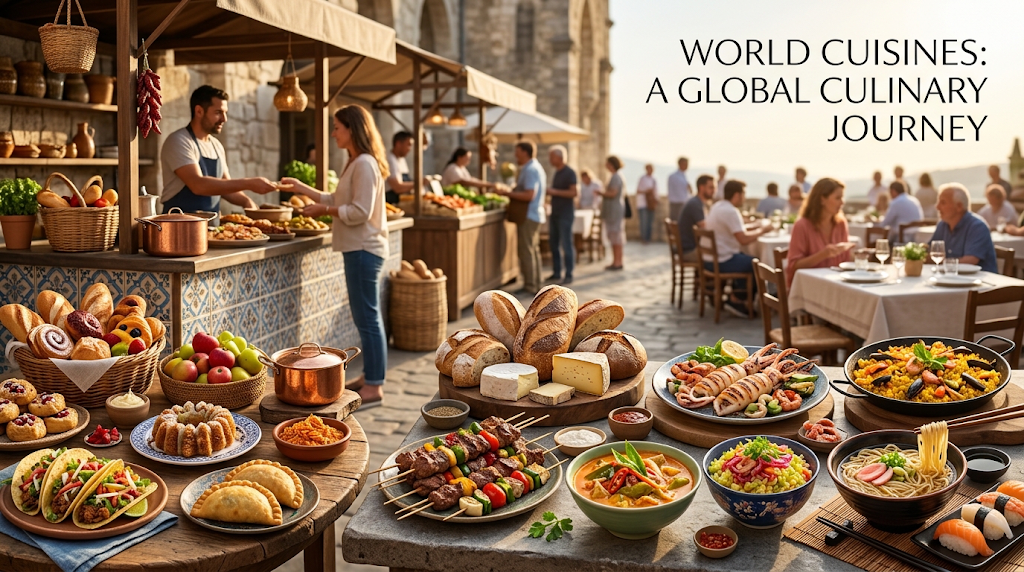
Food is one of the easiest ways to understand a new destination. A city’s markets, family restaurants, street stalls, bakeries, cafés, and traditional dishes can reveal something about its history, geography, climate, religion, migration, and everyday life. For travelers, understanding different food types can also make it easier to decide what to order when a menu feels unfamiliar.
The term food types can mean several things. It may refer to broad categories such as seafood, meat, vegetables, grains, desserts, and snacks. It can also describe styles of cuisine, such as Japanese, Italian, Mexican, Indian, Thai, Turkish, or Moroccan food. This guide brings those ideas together so you can understand the major categories of food and make more informed choices while traveling.
Food traditions are more than lists of dishes. UNESCO recognizes foodways as living heritage because cooking, preparing, sharing, and consuming food can carry knowledge and cultural traditions between generations.
Understanding Food Types When You Travel
Food types and cuisines are related, but they are not exactly the same.
A food type usually describes what kind of food or meal you are eating. Examples include seafood, noodles, grilled meat, soup, bread, vegetables, pastries, or desserts.
A cuisine describes the broader culinary tradition of a particular country, region, or culture. Japanese cuisine, for example, can include rice, noodles, seafood, vegetables, soups, grilled foods, and sweets. The same food type can therefore appear in many completely different cuisines.
This distinction is useful when traveling. Instead of thinking only about individual dishes, you can identify the kind of food you enjoy and then look for local versions of it.
Major Food Types Around the World
Rice Based Foods
Rice is an important staple in many parts of Asia, the Middle East, Africa, Latin America, and the Caribbean. It can be steamed, fried, mixed with vegetables, prepared with meat or seafood, or served alongside sauces and curries.
Travelers may encounter rice based dishes ranging from Japanese rice bowls and Thai fried rice to Indian biryani, Spanish rice dishes, Persian rice preparations, and Caribbean rice and beans.
Rice is particularly useful for travelers because it appears in many different culinary traditions while taking on very different flavors and textures.
Bread and Grain Based Foods
Bread and other grain based foods are among the most recognizable food categories worldwide.
Depending on the destination, you may find flatbreads, sourdough loaves, stuffed breads, corn based breads, pancakes, savory pastries, or steamed grain products. Mediterranean countries have their own bread traditions, while South Asia is known for several types of flatbread. Latin American cuisines often feature corn based staples, and many European countries have distinctive regional breads.
Trying bread from a local bakery can be one of the simplest ways to experience everyday food culture.
Noodles and Pasta
Noodles and pasta are another broad food type with enormous global variety.
Italian pasta includes shapes and sauces that vary by region, while East and Southeast Asian cuisines offer noodles made from wheat, rice, buckwheat, and other ingredients. Noodles may appear in soups, stir fried dishes, cold preparations, or meals served with rich sauces.
For travelers who want something familiar while still trying local flavors, noodles and pasta can be a comfortable starting point.
Meat Based Foods
Meat appears in countless culinary traditions, although the preparation and ingredients vary significantly.
Grilled meats, slow cooked dishes, kebabs, curries, roasted meats, meatballs, sausages, stews, and barbecue are common examples. The flavor may come from regional herbs, spices, marinades, cooking methods, or accompanying sauces.
Travelers should also remember that meat can be prepared differently from what they are accustomed to at home. When ordering unfamiliar dishes, asking how the meat is cooked can help avoid surprises.
Seafood
Coastal destinations often offer seafood that reflects the surrounding environment.
Fish, shrimp, crab, mussels, oysters, squid, and other seafood may be grilled, fried, steamed, baked, cured, or incorporated into soups and rice dishes. Seafood can be particularly interesting when visiting islands, fishing communities, Mediterranean destinations, or coastal regions of Asia and Latin America.
Freshness and preparation matter, however. Travelers should use sensible food safety practices, particularly when eating raw or lightly cooked seafood.
Vegetarian and Plant Based Foods
Vegetarian food is much broader than salads.
Across the world, plant based meals can include vegetable curries, bean dishes, lentil soups, rice dishes, stuffed vegetables, tofu, noodles, flatbreads, grain bowls, vegetable stews, and many types of street food.
Travelers who do not eat meat can often find excellent local options by learning a few words for vegetarian ingredients and asking whether meat, fish sauce, broth, or animal fats are included.
Soups and Stews
Soups and stews are especially valuable for understanding regional cooking because they often combine local ingredients in a single dish.
They can contain vegetables, legumes, grains, noodles, seafood, or meat. Some are light and aromatic, while others are rich and slow cooked.
Because soups and stews are found across almost every continent, they offer travelers a useful way to compare how different cultures use similar ingredients.
Street Food
Street food is one of the most accessible food types for travelers who want to experience everyday eating culture.
Depending on the destination, street food can include grilled meat, dumplings, tacos, sandwiches, fried snacks, noodles, pancakes, pastries, fruit, or regional specialties. Street markets can also provide a broader selection than a traditional restaurant.
Food safety should remain part of the decision. The CDC advises travelers to pay attention to how food is cooked and served, especially in destinations where sanitation standards may be unfamiliar. Fully cooked food served hot is generally a safer choice than raw or undercooked food in higher risk environments.
Snacks and Small Plates
Not every food experience needs to be a full meal.
Small plates, appetizers, dumplings, pastries, fried snacks, stuffed breads, olives, cheeses, and regional finger foods are excellent for travelers who want to sample several flavors.
Ordering smaller portions can also reduce the risk of committing to a dish you may not enjoy.
Desserts and Sweets
Desserts often reveal a destination’s ingredients and traditions just as clearly as savory foods.
Travelers may encounter cakes, pastries, puddings, rice desserts, fruit based sweets, frozen desserts, honey pastries, chocolate, or spiced treats.
Local desserts are particularly interesting because recipes often reflect historical trade routes and regional ingredients such as dates, citrus, nuts, coconut, coffee, cocoa, or spices.
Drinks and Traditional Beverages
Food culture extends beyond what appears on a plate.
Coffee, tea, fruit drinks, fermented beverages, juices, hot chocolate, herbal drinks, and regional nonalcoholic specialties can all be part of the travel experience.
When ordering drinks abroad, travelers should consider local water safety. In destinations where tap water is not reliably safe, the CDC recommends using properly treated water and being cautious about ice and beverages prepared with potentially contaminated water.
Popular Regional Cuisines to Explore
Asian Cuisines
Asian food encompasses an enormous range of culinary traditions rather than one single style.
Japanese cuisine often emphasizes rice, noodles, seafood, vegetables, broths, and carefully prepared seasonal ingredients. Thai food is known for combinations of spicy, sour, sweet, salty, and aromatic flavors. Indian cuisines vary substantially by region and can include rice dishes, breads, lentils, vegetables, seafood, meat, and extensive spice combinations.
Chinese cuisines also vary widely between regions, with differences in ingredients, cooking techniques, textures, and flavor profiles.
European Cuisines
European cuisine is equally diverse.
Italian food is strongly associated with pasta, pizza, regional sauces, cheeses, vegetables, and seafood. French cuisine includes breads, pastries, sauces, cheeses, meats, seafood, and elaborate as well as simple regional cooking. Greek and Mediterranean traditions often emphasize vegetables, grains, seafood, olive oil, herbs, legumes, and grilled foods.
Travelers should avoid treating European food as one category. Neighboring countries can have surprisingly different culinary identities.
Middle Eastern Cuisines
Middle Eastern food offers many dishes based around grains, legumes, vegetables, herbs, spices, breads, grilled meats, and dairy products.
Hummus, falafel, grilled meats, rice dishes, flatbreads, stuffed vegetables, salads, and pastries are familiar examples, but local variations are extensive.
For travelers, markets and family style restaurants can be especially useful places to sample several foods at once.
African Cuisines
African food traditions are extraordinarily varied because the continent contains numerous regions, cultures, climates, and culinary histories.
Travelers may encounter grain based dishes, stews, grilled meats, seafood, legumes, vegetables, breads, fermented foods, and spicy sauces. North African cuisines may feature couscous, tagines, breads, preserved ingredients, and aromatic spices, while other regions have their own distinctive staples and cooking methods.
Latin American Cuisines
Latin American cuisines combine Indigenous traditions with influences from Africa, Europe, Asia, and other migration histories.
Common food types include corn based dishes, beans, rice, grilled meats, seafood, stews, tropical fruits, pastries, and street foods. Mexican, Peruvian, Brazilian, Argentine, Colombian, Caribbean, and Central American cuisines each offer their own distinctive combinations.
North American and Caribbean Cuisines
North American food culture includes regional barbecue, seafood, sandwiches, comfort foods, baked goods, Indigenous food traditions, and cuisines shaped by generations of immigration.
Caribbean cuisines often combine seafood, tropical fruits, rice, beans, root vegetables, spices, and grilled or stewed foods. Island by island, the food can change considerably.
How to Choose Food While Traveling
One of the easiest ways to eat well abroad is to look for foods that are genuinely connected to the destination.
Start with local specialties rather than immediately searching for food you already know. Ask hotel staff, local guides, market vendors, or restaurant servers what people in the area commonly eat.
Seasonality is another useful clue. A dish based on ingredients that are locally abundant at that time of year may provide a more authentic representation of the region.
It can also help to visit different types of places. A traditional restaurant can offer a deeper meal, while a bakery, market, café, or street stall may reveal what residents eat during ordinary daily life.
Food Types for Different Travelers
Families: Familiar staples such as rice, noodles, bread, grilled foods, and simple vegetable dishes can make it easier to introduce children to unfamiliar cuisines gradually.
Couples: Sharing small plates or ordering several regional specialties can create a more varied food experience without requiring a large meal.
Solo travelers: Markets, cafés, food halls, and casual restaurants are convenient because they often allow travelers to sample food without committing to a long dining experience.
Vegetarian travelers: Look for cuisines with strong traditions involving vegetables, legumes, grains, tofu, or dairy, but always confirm ingredients when necessary.
Food focused travelers: Consider combining restaurants with markets, cooking classes, bakeries, local farms, food tours, and regional festivals when available.
Food Safety When Traveling
Trying new food is one of the pleasures of travel, but basic precautions matter.
The CDC recommends choosing food carefully because contaminated food and water can cause illness while traveling. Raw or undercooked meat, seafood, eggs, unpasteurized dairy, and certain raw produce can carry greater risks in places where hygiene and sanitation are uncertain.
Useful habits include choosing food that is thoroughly cooked and served hot, washing your hands before eating, being cautious with raw foods when water quality is uncertain, and checking whether drinking water is considered safe locally. Street food is not automatically unsafe, but preparation, storage, temperature, and hygiene are important considerations.
Travelers with food allergies should also prepare before departure. Learn the names of important ingredients in the local language, carry clearly written dietary information, and confirm preparation methods rather than assuming a dish is safe based only on its name.
Common Mistakes to Avoid
One common mistake is assuming that a famous dish represents an entire cuisine. Most culinary traditions contain much more variety than the dishes tourists commonly see online.
Another mistake is choosing restaurants solely because they are located near major attractions. Restaurants serving tourists can be convenient, but exploring residential neighborhoods, markets, bakeries, and local food districts may reveal a wider range of everyday options.
Travelers can also overlook portion sizes and unfamiliar ingredients. Ordering several dishes at once may sound exciting, but starting with one or two items makes it easier to adjust.
Finally, do not ignore local food safety advice simply because a dish looks popular. Popularity does not guarantee safe preparation.
How to Build a Food Focused Travel Experience
A food focused trip does not require every meal to happen in a famous restaurant.
Begin by identifying several food categories you want to experience. You might choose street food, traditional breakfast, local seafood, regional desserts, market foods, and a special dinner.
Then research the cultural background of those foods. Understanding where an ingredient came from or why a particular dish is associated with a celebration can make the meal more meaningful.
UNESCO’s work on foodways highlights how food traditions can connect communities with history, local environments, seasonal practices, social life, and cultural identity.
This approach also gives your trip more variety. Instead of simply asking where to eat, you start asking what kind of food tells you something about the place.
Pros and Cons of Exploring Different Food Types
Pros
- Helps you understand local culture
- Adds variety to a trip
- Can introduce you to regional ingredients
- Creates memorable experiences beyond sightseeing
- Makes it easier to find suitable meals for different preferences
- Can encourage visits to local markets and independent businesses
Cons
- Unfamiliar ingredients may not suit everyone
- Dietary restrictions can require extra planning
- Food safety standards vary between destinations
- Popular tourist dishes may not represent the full local cuisine
- Frequent restaurant meals can increase travel costs
Is Exploring Different Food Types Worth It?
For most travelers, yes. Food provides a practical connection to place that sightseeing alone cannot always provide. You can learn about a destination through its markets, breakfasts, snacks, traditional dishes, cooking methods, and everyday meals.
The key is to approach food with curiosity rather than treating every unfamiliar dish as something you must try. A good food experience should fit your dietary needs, comfort level, budget, and travel style.
Frequently Asked Questions
What are the main types of food?
Major food categories include grains, rice, bread, noodles, meat, seafood, vegetables, legumes, soups, snacks, desserts, and beverages. These categories appear differently across regional cuisines.
What are the most common food types around the world?
Rice, grains, bread, noodles, vegetables, legumes, meat, seafood, and fruit are among the most widely used food groups. Their preparation varies according to local ingredients, culture, climate, and history.
What is the difference between food types and cuisines?
A food type describes what kind of food you are eating, such as noodles or seafood. A cuisine describes a broader culinary tradition associated with a particular region or culture.
How can I find authentic food when traveling?
Look for regional specialties, local markets, independent restaurants, bakeries, traditional cafés, and recommendations from residents. Learning a few food related words in the local language can also help.
What food should I try first in a new country?
Start with a local specialty that is prepared in a familiar format. Rice dishes, grilled foods, soups, noodles, breads, and pastries can be approachable introductions to unfamiliar cuisines.
Is street food safe for travelers?
Street food can be part of a rewarding travel experience, but travelers should consider hygiene, cooking temperature, food storage, and water quality. The CDC recommends choosing fully cooked foods served hot when sanitation conditions are uncertain.
How can vegetarians find food abroad?
Research common vegetarian dishes before traveling, learn useful local phrases, check ingredients carefully, and explain dietary requirements clearly when ordering. Do not assume that a vegetable dish is automatically vegetarian because it may contain meat based broth or sauces.
Why is food important to travel?
Food connects travelers with local culture, history, agriculture, traditions, and community life. Culinary practices can preserve knowledge and cultural identity across generations.
Conclusion
Understanding food types makes travel easier and more rewarding because it gives you a practical way to explore unfamiliar cuisines. From rice, noodles, breads, seafood, and grilled foods to street snacks, desserts, and traditional drinks, the world’s food traditions offer an enormous range of flavors and experiences.
Different travelers will naturally approach food in different ways. Families may prefer familiar dishes, solo travelers may enjoy casual markets and cafés, while food focused travelers may want cooking classes, local specialties, and regional restaurants. Dietary needs, allergies, budget, comfort level, and local food safety should always be part of the decision.
Ultimately, exploring food while traveling is less about trying everything and more about understanding where your meal comes from and how it connects with the destination. Choose local specialties when practical, ask questions, respect cultural traditions, and balance curiosity with sensible safety habits. That approach can turn an ordinary meal into one of the most meaningful parts of a trip.
Suggested Internal Link Anchors
| Anchor topic | Suggested destination article | Why the link is relevant |
|---|---|---|
| Best travel destinations | Best Travel Destinations | Helps readers connect food interests with destination planning |
| Travel Asia Thailand | Travel Asia Thailand | Provides a deeper look at Asian food and travel culture |
| Bali travel guide | Bali Travel Guide | Useful for readers interested in Indonesian food and local experiences |
| Europe travel guide | Europe Travel Guide | Expands the discussion of European cuisines and regional food |
| Budget travel tips | Budget Travel Tips | Helps readers plan affordable food experiences while traveling |
Authoritative External Source Opportunities
- UNESCO Intangible Cultural Heritage: Useful for explaining food ways, culinary traditions, and the cultural importance of food.
- CDC Travelers’ Health: Useful for food and water safety guidance for international travelers.
- CDC Food and Drink Considerations: Useful for practical advice about street food, raw foods, drinking water, ice, and food hygiene.
- UNESCO International Food Atlas: Useful for readers interested in foodways, cultural identity, sustainability, and culinary heritage.