
Travel Trips to Mexico
Planning travel trips to Mexico can feel overwhelming at first because the country offers far more than a typical beach vacation. Mexico combines Caribbean beaches, Pacific coastlines, colonial towns, enormous cities, ancient archaeological sites, regional cuisines, mountains, deserts, jungles, and distinctive cultural traditions.
That variety is one of Mexico’s biggest advantages. A traveler looking for an easy resort holiday can focus on Cancún or Riviera Maya, while someone interested in museums, architecture, food, and history may prefer Mexico City. Oaxaca appeals to travelers interested in cuisine and culture, while Los Cabos and Puerto Vallarta offer different versions of a coastal getaway.
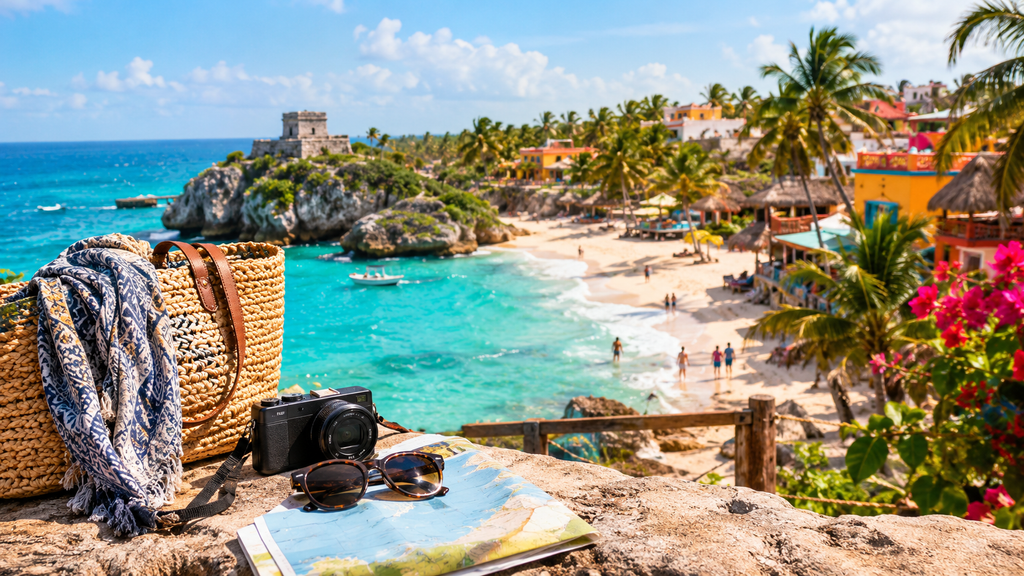
Mexico’s official tourism information also emphasizes the country’s climatic and geographic diversity, meaning the ideal destination depends heavily on the type of trip you want to take.
The key is not trying to see everything. Instead, choose a region that matches your interests and build your itinerary around it.
Best Places for a Mexico Trip
Mexico City
Mexico City is one of the strongest choices for travelers who want a combination of history, museums, architecture, food, neighborhoods, and urban culture. The city can work particularly well for travelers who prefer exploring rather than spending most of their vacation at a resort.
You can explore historic areas, visit museums, experience traditional markets, try regional Mexican food, and use the city’s extensive public transportation network. Mexico City is also a useful starting point for excursions beyond the capital.
Because it is a large metropolitan destination, allow enough time rather than treating it as a quick stop between beach destinations.
Cancún and Riviera Maya
Cancún and the Riviera Maya are among the most recognizable choices for international travelers. The region is particularly attractive for people looking for beaches, warm weather, resorts, water activities, and access to archaeological attractions.
Cancún is convenient for travelers who want a highly developed tourist destination. The Riviera Maya provides access to coastal communities and attractions farther along the Caribbean coast.
This area is especially suitable for couples, families, first time visitors, and travelers who want a relatively straightforward vacation with plenty of accommodation choices.
Puerto Vallarta
Puerto Vallarta offers a different coastal experience on Mexico’s Pacific side. It combines beaches with a lively town atmosphere, restaurants, art, waterfront scenery, and opportunities for outdoor activities.
It can be a good option if you want a beach vacation without spending the entire trip inside a resort. Travelers can combine relaxation with sightseeing, dining, boat excursions, and exploration of the surrounding area.
Los Cabos
Los Cabos is another popular choice for travelers seeking a polished coastal getaway. Its appeal comes from dramatic scenery, resorts, beaches, outdoor activities, and a strong selection of restaurants and accommodations.
It is particularly attractive for travelers looking for relaxation with opportunities for nature and adventure.
Oaxaca
Oaxaca is one of the better choices for travelers who want food and culture to be central to their trip. The region is known for its culinary traditions, crafts, indigenous heritage, architecture, and cultural celebrations.
Instead of planning your entire itinerary around sightseeing, consider leaving time to explore markets, restaurants, local neighborhoods, and regional attractions at a slower pace.
Mérida
Mérida provides a gateway to the cultural and historical attractions of the Yucatán region. Its colonial architecture, food culture, and proximity to archaeological sites make it a useful base for a broader regional trip.
Travelers interested in combining city exploration with historical sites may find Mérida more rewarding than choosing a purely resort focused vacation.
Guadalajara and San Miguel de Allende
Guadalajara is a strong option for travelers interested in Mexican culture, food, architecture, and urban experiences. It also provides access to the surrounding Jalisco region.
San Miguel de Allende is better suited to travelers looking for a picturesque colonial setting, architecture, galleries, restaurants, and a slower pace.
Chiapas
Chiapas can appeal to travelers who want a more nature and culture focused experience. The region offers opportunities to explore archaeological sites, landscapes, communities, and natural attractions.
It requires more planning than a conventional resort holiday, but that can be part of its appeal for adventurous travelers.
Choosing the Right Mexico Destination
The best destination depends on what you want from your vacation.
For beaches and relaxation, consider Cancún, Riviera Maya, Puerto Vallarta, or Los Cabos.
For history and archaeology, consider Mexico City, the Yucatán region, Oaxaca, or Chiapas.
For food and culture, Oaxaca, Mexico City, Guadalajara, and Mérida are strong choices.
For a resort vacation, Cancún, Riviera Maya, and Los Cabos offer extensive tourist infrastructure.
For a mixture of beach time and local exploration, Puerto Vallarta can be a particularly appealing choice.
For a city break, Mexico City and Guadalajara offer considerably more urban exploration.
Mexico’s official tourism resources list destinations including Cancún and Riviera Maya, Mexico City, Los Cabos, Oaxaca, Guadalajara, Mérida, San Miguel de Allende, and Chiapas among its major visitor destinations.
What to Expect on a Mexico Trip
Mexico is not a single type of travel destination. Experiences can vary significantly between regions.
Spanish is the primary language, although English is commonly encountered in major tourist destinations. Mexico also has substantial linguistic diversity, with Indigenous languages spoken throughout different parts of the country.
The Mexican peso is the country’s currency. Cards are commonly accepted in cities and established tourist areas, but carrying some cash is useful for smaller purchases and local transportation. The official tourism site specifically recommends having pesos available for everyday expenses.
Food is another major part of the experience. Instead of limiting your meals to familiar dishes, consider trying regional specialties because Mexican cuisine varies considerably from one state to another.
Travelers should also expect differences in climate, transportation, infrastructure, and pace between regions. A resort area and a rural destination can feel like entirely different travel experiences.
Best Time to Visit Mexico
There is no single perfect month for every Mexico trip because the country’s geography creates significant regional differences.
In general, Mexico has a drier period from approximately November through April and a wetter period from May through October, although conditions vary by destination.
For travelers focused on tropical destinations, winter can provide appealing conditions for a beach vacation. For travelers more interested in cities, cultural attractions, and inland destinations, the best dates may depend on local temperatures and planned activities.
The rainy season does not necessarily mean that a trip should be cancelled. In many areas, rainfall can occur in intense but relatively short periods rather than continuing throughout the entire day.
Before booking flights or hotels, check the weather for your specific destination rather than relying on a general Mexico forecast.
How to Get Around Mexico
Mexico has an extensive transportation network, giving travelers several ways to move between destinations.
Domestic flights are useful when distances are large and vacation time is limited. Major international and domestic airports include those serving Mexico City, Cancún, Guadalajara, Monterrey, and Tijuana.
Long distance buses can be an excellent alternative. Mexico has an extensive intercity bus network, with different levels of service ranging from economy to executive options.
Within major cities, travelers may find metro systems, buses, light rail, bicycles, taxis, and ride sharing services depending on the destination. Services such as Uber and DiDi operate in many cities, although availability can differ by location.
Rental cars can make sense when exploring several destinations or rural areas, but travelers should understand local driving conditions, toll roads, parking, insurance requirements, and traffic restrictions before renting.
Mexico’s rail network is also developing, with services including the Tren Maya, Chepe Express, and other passenger rail routes offering alternatives for certain journeys.
How Much Does a Mexico Trip Cost?
There is no universal price for travel trips to Mexico because the budget depends heavily on destination, accommodation, season, transportation, and activities.
A resort vacation can become expensive quickly when flights, accommodation, meals, transfers, and excursions are combined. On the other hand, travelers using local restaurants, public transportation, guesthouses, and intercity buses can often build a more economical itinerary.
Your main expenses are likely to include:
- International and domestic flights
- Hotels or vacation accommodation
- Local transportation
- Food and drinks
- Tours and entrance fees
- Travel insurance
- Shopping and souvenirs
- Airport transfers
One practical approach is to establish your accommodation and transportation budget first. Then decide how much you can comfortably spend on restaurants and activities.
Rather than choosing the cheapest option in every category, prioritize the experiences that matter most to you. For example, a traveler who cares deeply about food may spend more on restaurants while choosing simpler accommodation.
Things to Do in Mexico
Mexico provides enough variety for almost every travel style.
Beach travelers can spend their days swimming, relaxing, snorkeling, boating, or exploring coastal towns.
History enthusiasts can visit archaeological zones and museums while learning about the civilizations and historical periods that shaped different parts of the country.
Food focused travelers can explore markets, regional restaurants, street food, cooking experiences, and local specialties.
Nature lovers can seek out beaches, mountains, deserts, forests, waterfalls, and other landscapes depending on their chosen region.
City travelers can explore museums, historic centers, markets, galleries, restaurants, and nightlife.
The strongest itineraries usually combine different experiences rather than trying to visit every major attraction. Two or three meaningful activities in a day can be more enjoyable than rushing between six locations.
Safety and Practical Travel Tips
Mexico requires the same sensible travel habits you would use in other large international destinations, but safety conditions can vary considerably by state and city.
Research your specific destination before traveling and check current advice from your own government. Avoid displaying expensive belongings unnecessarily, keep copies of important documents, and use established transportation services.
The official tourism authority recommends carrying identification and a digital copy of your passport, avoiding large amounts of cash and valuable belongings, and prioritizing safety at night and in remote areas.
At airports, use authorized taxi services or established transportation options rather than accepting unsolicited rides outside terminals.
It is also worth purchasing appropriate travel insurance, particularly if your itinerary includes multiple destinations or outdoor activities.
For emergencies, Mexico’s national emergency number is 911.
Entry requirements depend on nationality. A valid passport is required, while visa requirements can differ depending on the traveler’s citizenship and circumstances. Always verify the current requirements before booking your trip.
Pros and Cons of Traveling to Mexico
Mexico’s biggest advantage is its variety. You can combine beaches, history, food, nature, architecture, and cultural experiences within one country.
Another advantage is the range of travel styles available. Mexico can accommodate luxury resort vacations, city breaks, family holidays, budget trips, road trips, and culturally focused itineraries.
Transportation options are also extensive, particularly between major cities and popular tourist destinations.
The main challenge is deciding where to go. Mexico is large, and trying to combine distant destinations can result in spending too much time in transit.
Weather is another consideration. Conditions differ considerably between regions, so travelers should research the exact destination rather than planning around a nationwide forecast.
Finally, safety should be considered destination by destination. Mexico should not be treated as a single uniform travel environment. Researching your specific route and following current local and government guidance is essential.
Is Mexico Worth Visiting?
For most travelers looking for variety, Mexico is absolutely worth considering.
It works particularly well when you want more than one type of vacation. A trip can combine a few days of city exploration with food experiences, historical attractions, and time on the coast.
However, the country rewards thoughtful planning. If you choose destinations that are far apart simply because they appear on a list of popular places, your itinerary can become tiring.
A better approach is to select one region and explore it properly. You will usually get more out of the trip by understanding a smaller area than by collecting rushed visits to multiple cities.
Frequently Asked Questions About Travel Trips to Mexico
What are the best travel trips to Mexico for first time visitors?
First time visitors can consider destinations such as Cancún and Riviera Maya for a straightforward beach vacation, Mexico City for culture and history, or Puerto Vallarta for a mixture of coastal relaxation and local exploration.
What is the best month to travel to Mexico?
The best month depends on the destination. Mexico generally has a drier period from November through April, while many regions experience more rainfall during the wetter months. Check the weather for your exact destination before booking.
Is Mexico expensive to visit?
Mexico can accommodate different budgets. Costs vary according to destination, accommodation, transportation, dining, season, and activities. Resort areas can be considerably more expensive than destinations where travelers rely on local accommodation and restaurants.
How many days should I spend in Mexico?
A week can work well for exploring one destination or region. Longer trips allow you to combine cities, cultural attractions, nature, and beaches without making the itinerary unnecessarily rushed.
Is Mexico safe for tourists?
Safety varies by destination. Travelers should research their specific route, follow local advice, protect valuables, use established transportation, and check current travel guidance from their government. Mexico’s official tourism authority also recommends basic precautions and provides emergency information.
What currency should I use in Mexico?
The Mexican peso is the official currency. Cards are widely useful in cities and tourist areas, but carrying some pesos in cash is recommended for smaller purchases and local transportation.
Can I travel around Mexico without renting a car?
Yes. Domestic flights, intercity buses, local public transportation, taxis, and ride sharing services provide numerous alternatives. The best choice depends on your route and destination.
Do I need a visa to travel to Mexico?
Visa requirements depend on your nationality and travel circumstances. Some travelers can enter for tourism without obtaining a traditional visa in advance, while others must complete additional requirements. Check the current Mexican immigration requirements before departure.
Conclusion
Travel trips to Mexico offer an unusual combination of flexibility and variety. Whether your ideal vacation involves Caribbean beaches, Pacific sunsets, ancient archaeological sites, historic neighborhoods, regional cuisine, or outdoor adventures, Mexico provides destinations capable of matching different travel styles. The most important decision is choosing the region that fits your interests rather than attempting to experience the entire country in one vacation.
For a first trip, keeping your itinerary geographically focused is usually the smartest approach. Choose one major destination or region, research its seasonal weather, understand your transportation options, and leave enough time to experience the place beyond its most famous attractions. Mexico’s extensive transportation network makes broader exploration possible, but a slower itinerary often produces a more rewarding trip.
Overall, Mexico is well worth considering for travelers who want a destination with beaches, culture, history, food, nature, and plenty of itinerary flexibility. Plan around your priorities, verify current entry and safety information, and choose experiences that genuinely interest you. With that approach, your Mexico trip can become much more than a standard vacation and instead become a meaningful exploration of one of North America’s most diverse travel destinations.